

I reach out to diverse sources on deadline. Only the white guys get back to me :(
— NPR‘s Education Team (@npr_ed) July 2, 2014

Edward Schumacher-Matos
Exiting NPR ombud Edward Schumacher-Matos was interviewed (7/10/14) about his three years in the job. Asked about the recent incident in which NPR education blogger Anya Kamenetz was criticized on social media for a tweet in which she complained that she couldn’t make her stories diverse because “only white guys get back to me,” Schumacher-Matos said:
The best I can tell, judging from the background of this reporter and the kind of work she’s done, is that this is really an innocent frustration that could have been better expressed and just got her in a lot of trouble.
Sigh. With all respect to the reporter’s previous work, the criticism of the remark was not that her frustration wasn’t real–it was where she seemed to locate the blame for that frustration, namely with the perhaps underdedicated people of color and women who aren’t returning her calls by deadline.

Anya Kamenetz
To the extent that it reflected “innocence,” it’s of a sort people of color and women can ill afford from journalists, reflecting a worldview that simply does not consider that there must be a proactive effort–something other than business as usual–in order to include in public conversation precisely those voices that have been and still are excluded. It suggests a misunderstanding of fair representation as a frippery rather than a core journalistic value–which may indeed be common but, for those whose lives are impacted daily by their media marginalization, is not so easy to shrug off.
NPR‘s official response to the brouhaha was a memo, instructing staff to be more careful about sharing private thoughts on social media. Likewise missing the point that the problem lies in what the network does–and doesn’t do–in public.
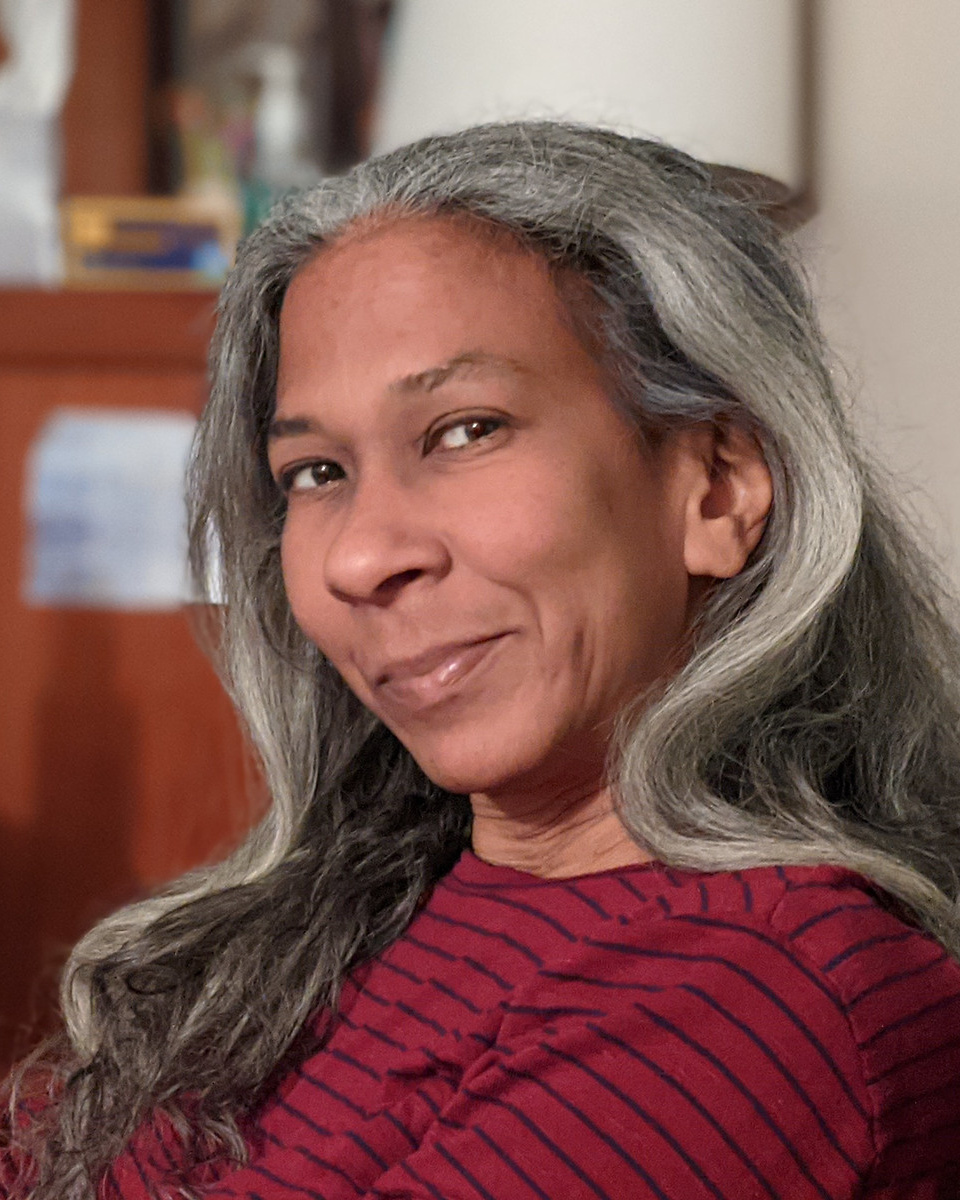


Anya Kamenetz “seemed to locate the blame for that frustration, namely with the perhaps underdedicated people of color and women who aren’t returning her calls by deadline.”
I wonder — and I admit I could be wrong in this assumption — is that many of our poorest citizens, mainly people of color, might not have adequate access to the Internet? Data plans, whether on smart phones or home broadband, are expensive. The $40 or so per month might be groceries for a week. Just wondering, that’s all.
Deer Anya, I is good luking Hispanic. I like you picture – BONITA y güera like the ones on Univision. I source for you anytines. Pleese call.
I’m puzzled by this – what did she mean by “get back” to her? Did she mean they didn’t comment on her blog? Did she mean that when she contacted a variety of people for their commentary, only the white guys responded to her? Can’t tell from this article. Also, putting the word “uneducated” (even softened by the “perhaps”) into her mouth is pretty unfair (ironic for FAIR!). And what would FAIR have her do? Go to the peoples’ houses? Of course, since I can’t tell from this piece what “getting back” to her means, I don’t know what her options are. It’s just possible that the non-white guys who didn’t get “back to” her simply don’t give a rat’s ass about NPR… Not everybody does.
@pbash – Yes, she should go to ‘their’ houses. That’s what journalists do. They go to the story, they don’t wait until the story calls them.
@pbasch The problem is not that this article didnt clarify what she meant by get back to her. The problem is that she nor her former editor clarified it. Nor did they show any active pursuit of representatives outside of phone calls, as far as anybody can tell.
Now if she wants to clarify her statement, that will help us all to make a more informed view of the situation and find out how it can be fixed.
Walter H makes an important reminder above.
Based on the lack of clarification of the problem by Anya Kamenetz and Edward Schumacher-Matos, an NPR audience member may wonder if only white male sources received a “reach out to”. If so, then it should be no surprise that at most, white male sources “get back” to you. But whose interests would such a clarification serve? Certainly a majority of the population.
@ pbasch:
FAIR is not guilty of “putting the word ‘uneducated’ (even softened by the ‘perhaps’ into her [the NPR blogger’s] mouth”. Rather, as FAIR writes, “she seemed to locate the blame for that frustration, namely with the perhaps underdedicated people of color and women who aren’t returning her calls by deadlines”. You, pbash, misread the word “undedidcated” as “uneducated”, and erroneously fashioned a story not supported by FAIR’s analysis. Now is that, ahem, “fair” of you?
As other commenters have noted, NPR’s response is not only a failure to address the issue — including a need to clarify the blogger’s comment to understand the intended point of it. Rather, it is clear evidence of missing the point of the matter entirely: the need to consider NPR’s strategies (like hiring more journalists of color, say) on its efforts to examine serious matters that focus on those issues where race or gender is a central topic of discussion. Is NPR even trying? Instead it appears that, as Mr. Schumacher-Matos’ memo states, the only thing that matters is the preservation of the future careers of jouralists. If that is case, then expect race and gender to continue to get short shrift at NPR.
I don’t have time to follow their blogs, but it does irritate me, as a constant news listener, that they seem to have a habit of summing up stories this way: “Here’s what the President has proposed. Now, here are the Republicans’ responses to it.” But we hear little or none of what the supporters say.