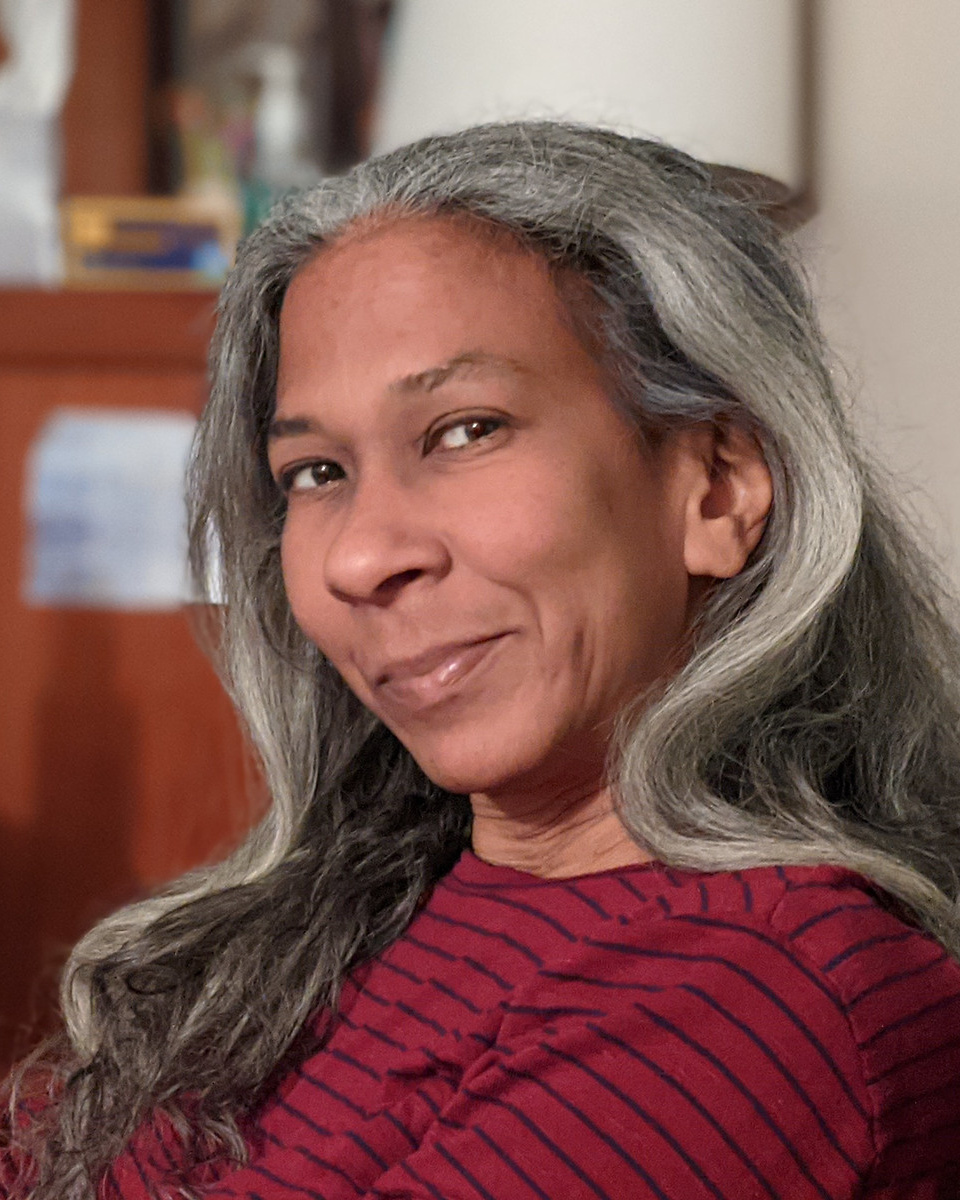
Janine Jackson interviewed Tim Karr on the telecom industry’s latest strategy against net neutrality for the September 11 CounterSpin. This is a lightly edited transcript.
[mp3-jplayer tracks=”CounterSpin Tim Karr @https://eadn-wc04-3257648.nxedge.io/audio/counterspin/CounterSpin091115-Tim%20Karr%20on%20net%20neutrality.mp3″]

Janine Jackson: “Congress Must Protect Net Neutrality” ran the headline over an op-ed in an Iowa daily. Another one from California was headed “Congress Must Protect Health of the Internet.” Both columns espouse concern that the free expression and democratic access we associate with net neutrality are under imminent threat, and congressional action is necessary. But wait a minute, didn’t we get net neutrality in February, when the FCC ruled that broadband internet service was to be treated as a public utility? Has something changed? Here to help us understand what’s going on is Tim Karr; he’s senior director of strategy at the group Free Press. Welcome back to CounterSpin, Tim Karr.
Tim Karr: Hi, Janine, how are you?
JJ: Just fine. Activists, we’re used to seeing policy victories undermined, or even overturned, once our eyes are off the ball. Is that what’s happening here with net neutrality? What’s going on?
TK: As with a lot of things in Washington, nothing is ever final. We had a very definitive decision in February of this year when the FCC voted 3-2 to classify internet service providers–phone and cable companies that most of us get access to the internet through–as common carriers. In that sense, they cannot block, or throttle, or in any way interfere with our online communication. That was a huge public policy victory.
But we’re talking about very powerful phone and cable companies here, and they have a very, very dominant presence in Washington, DC. AT&T, Comcast are big spenders when it comes to lobbyists, when it comes to campaign contributions. And they have armies of lawyers who are at their beck and call, and they have employed those lawyers to challenge the FCC’s decision in the courts. They’ve deployed their lobbyists to try and get Congress to pass new legislation that would somehow take away the FCC’s authority to protect the open internet. So we’re still in the middle of a long battle.
JJ: As I’m reading these op-eds, they’re saying they are in favor of net neutrality, they’re in favor of freedom of expression and no fast lanes or slow lanes, but that somehow, in order to get to that, they have to undo what the FCC did?
TK: This is sort of the last-ditch effort, in many respects, of the phone and cable lobby. They used to say that net neutrality was a solution in search of a problem. When nobody bought that, they tried to dismiss net neutrality as some effort to turn the internet into some public utility that was controlled by government. And when nobody bought that argument, they’re now saying, well, we like net neutrality, but we want Congress to solve the problem. The problem there is what they’ve proposed to Congress over the last year have been rules that basically take away the FCC’s authority to do much about the issue. It’s sort of like saying, we like a clean environment, but we don’t want the EPA to have any authority to punish polluters. So you really do need to read between the lines when you see these op-eds that have appeared throughout the summer. Many of them are very similar, suspiciously using very similar language, and you have to read between the lines to figure out what they are trying to say.
JJ: One of the things that appears in these op-eds is this reference to “these are Ma Bell-type regulations,” and we’re used to that in media policy issues; we’re used to hearing it’s a brave new world, we don’t want this old-style regulation. But I think the reference to Ma Bell is kind of funny, because if you think about it, the telephone is the thing that– it’s a service provided, but they don’t get to say who you can call and what you can say over those lines. I think for many people, to reference the telephone service doesn’t really turn people off the concept; they think, “Yeah, the internet has become as crucial, as integral to people’s lives as the telephone once was.”
TK: Well, what they’re referring to when they say “Ma Bell” is the common carriage rule, and it’s true that common carriage was a rule during the Ma Bell monopoly, but it’s also a rule that exists across the US economy today. We’re talking via telephone right now, that is a common carrier. Wireless devices, when you are talking about a telephone, are common carriers. It’s a rule that exists throughout the economy, it functions in a digital age, and it did function back in the Ma Bell era. What they’re trying to say is that this is outdated, the internet is of the 21st century, why apply old rules to a new thing. It’s sort of like saying the First Amendment is outdated. What common carriage does is ensures that we have free speech protections over two-way communications networks, privately owned networks. That’s why net neutrality is important, because today you have hundreds of millions of people who are communicating via a digital platform; a lot of parts of that platform are controlled by private companies, and we need to ensure that we have basic free speech protections across all of those platforms, across all of the networks that make up the world wide web.
JJ: Activists, yourself included, did do a tremendous amount of work in succeeding in explaining how this kind of dull- sounding term, “net neutrality,” was actually crucial to the ability of groups to communicate and organize, and to have our own conversations without gatekeepers. It’s not about how quickly you can download a movie; it really is a political issue about our ability to maintain some kind of a public space. Some media lately have mentioned net neutrality as a thing that Donald Trump misspoke about, but what place, if any, do you see these internet issues having politically in the election? Is there a place? Is it something people are talking about?
TK: Well, it’s slowly earning a place, and it’s for good reason, because if you look at a lot of the internet issues around which people have become very passionate, you look at the PIPA/SOPA battle. That battle was around copyright reforms; there was very draconian legislation that was going through Congress that was supported by the movie and recording industry, and tens of millions of people rose up to protect the open internet. The reforms that were being proposed by the industry would allow internet service providers to block certain websites. There was a very popular grassroots movement against that.
There were millions of people who became involved in the net neutrality battle. There’s been a very strong grassroots response for protecting privacy on the internet in the wake of Edward Snowden’s revelations. So we have tens of millions of people in the United States who care passionately about internet issues, and they’re not only people who will sign petitions or call their member of Congress; a lot of them vote as well. So as we enter into the 2016 presidential campaign, it behooves those candidates to consider that this is a powerful constituency. The internet is a constituency of people who are politically active and who care passionately about a lot of these issues, so it’s up to these candidates to incorporate an internet policy platform into their campaigns as well.
JJ: We’ve been speaking with Tim Karr of Free Press. Tim Karr, thank you very much for joining us today on CounterSpin.
TK: My pleasure, thank you.