Covering a Pandemic, Election-Style
Election Focus 2020: Trump’s rally remarks were a remarkably brazen admission that he would rather cover up the growing pandemic than actually work to address it, at the cost of an untold number of lives.
FAIR is the national progressive media watchdog group, challenging corporate media bias, spin and misinformation.


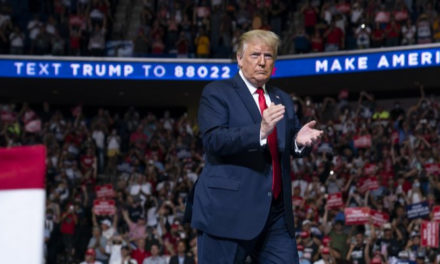
Election Focus 2020: Trump’s rally remarks were a remarkably brazen admission that he would rather cover up the growing pandemic than actually work to address it, at the cost of an untold number of lives.

Perhaps the most persistent false narrative of Chinese deception and concealment has nothing to do with fake statistics or Chinese manipulation of the WHO, but with China allegedly withholding details from the world and silencing whistleblowers.

The reaction from corporate media to Trump’s threat to crush an anti-racist rebellion was to chastise his move as “un-American,” obscuring the domestic sources of inspiration for his vicious crackdown.

Media need to stop saying “missteps” when they mean sustained, systemic failures. Journalists ought to speak plainly, including when they’re talking to themselves.
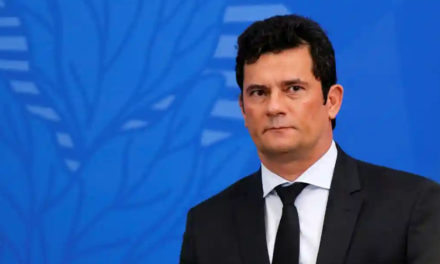
In rehabilitating Sergio Moro as a “whistleblower,” corporate journalists hide their own role in shamelessly promoting the Washington-backed lawfare operation that ousted Brazil’s first female president, and installed a neo-fascist.

The New York Times purported to explain how the Taliban managed to “outlast a superpower through nearly 19 years of grinding war,” without examining at all how the US contributed to reviving and sustaining the Taliban insurgency.

The demand to expel police unions from mainstream labor organizations was once a fringe demand. Now, in the wake of the ongoing Black Lives Matter uprising, the demand is taking center stage in labor news, and the Writers Guild of America East—which has been proactive in organizing new media newsrooms—is leading the charge to […]

Today, even as ideas for police reform that barely surfaced in corporate media in the past are becoming part of the mainstream conversation, media continue to try to steer that conversation away from its radical edge.

Corporate media coverage of Iranian oil shipments to Venezuela has framed the deliveries as a problem that needs to be solved, rather than a commercial transaction that doesn’t concern third parties.

If we’ve been listening to what epidemiologists have told us about the coronavirus, there are reasons to believe that the protests will not have a major impact on the pandemic’s trajectory.

Even when outlets described the rampant police violence against protesters, the language used still protected police from scrutiny.

according to leading media narratives, the curfews aren’t deliberate measures of cruelty that infringe upon fundamental rights; they’re the hard but necessary choice that dedicated city officials must make in the interest of public safety.

“After Curfew, Detroit Police Act Aggressively to Disperse Protesters Who Refused to Leave” (Detroit Free Press, 5/31/20) “Minneapolis Officers Use More Aggressive Tactics Against Protesters as Rallies Flare Around US” (NBC News, 5/31/20) “An Agitated Trump Encourages Governors to Use Aggressive Tactics on Protesters” (CNN, 6/1/20) “Police Turn More Aggressive Against Protesters and Bystanders […]
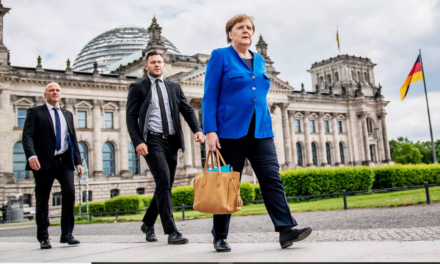
The problem with much of the reporting focusing on rich, developed countries where media have foreign correspondents is that it ignores often superior responses to the virus from much of the Global South, countries that have nothing like the resources of advanced Western states.

When it comes to Venezuela, one DC-based think tank has become the Western media’s go-to source for confirming the US elite’s regime change groupthink: the Washington Office on Latin America (WOLA).

The National Writers Union’s divorce from the UAW raises concerns about how to advance labor rights in the media industry, which is notorious for its reliance on freelancers.
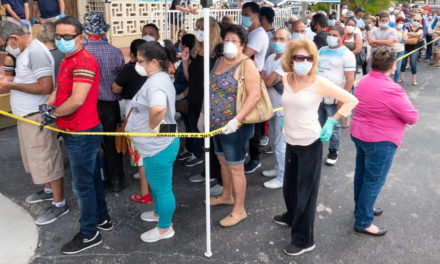
It’s easy enough to find reporting in major US news outlets describing the hardships many Americans are facing. But lamenting inequality is one thing, and acknowledging—or, God forbid, highlighting—efforts to rectify it are very much another for corporate media.

The New York Times has it exactly backwards: Kramer’s confrontational approach didn’t “overshadow his achievements,” they are what made his achievements possible.

As the Covid-19 pandemic results in increased demand for Cuban doctors around the world, corporate media appear to have shifted from vilifying them to casting them as victims of exploitation.


