The September 11 attacks were supposed to have changed everything—but you can’t tell it from reading the newspapers. Looking in the papers in late October, you’ll see dozens of stories about anthrax in America—a terrible disease that has at this writing claimed the lives of four—for every one story you’ll find about starvation in Afghanistan, a crisis that aid workers are predicting could kill more than 1 million (Economist, 10/12/01).
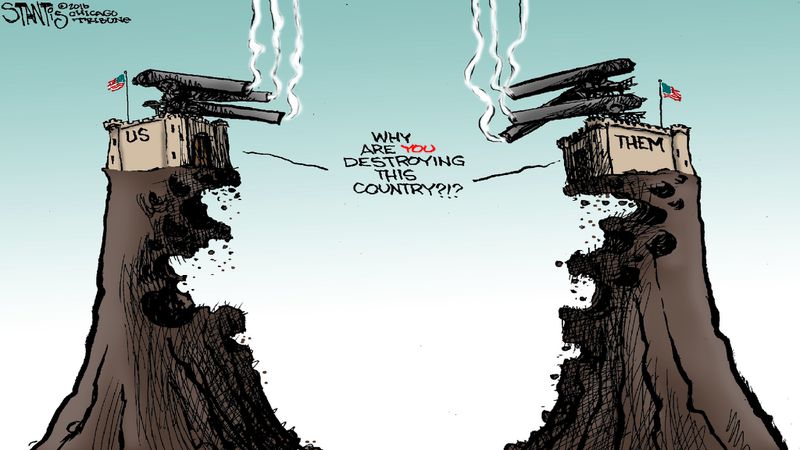
It’s still “us” versus “them,” in other words, and we are told to care very much when “we” are in danger and are explicitly warned not to worry too much about “their” lives. Saying that it “seems perverse to focus too much on the casualties or hardships in Afghanistan” (Washington Post, 10/31/01), CNN chief Walter Isaacson even announced that the network would air some kind of disclaimer whenever footage of dead or wounded Afghans is shown, such as, “We must keep in mind, after seeing reports like this from Taliban-controlled areas, that these US military actions are in response to a terrorist attack that killed close to 5,000 innocent people in the US.”
Don’t look for CNN to start adding similarly spurious “balance” to coverage of World Trade Center memorial services by pointing out, for example, how many Iraqi children have died from sanctions-related illnesses. (See page 26.) “I want to make sure we’re not used as a propaganda platform,” Isaacson claimed, even as he mandates that propaganda be included in every report of the human cost of the war.
May I suggest a new definition of “us” and “them”? “They” are the ones who believe that they can make the world a better place by dropping bombs and blowing up buildings, by spreading disease and starvation. And “we” are the people on the receiving end of that destruction—whether we live in Manhattan or Kabul.
Extra! November/December 2001