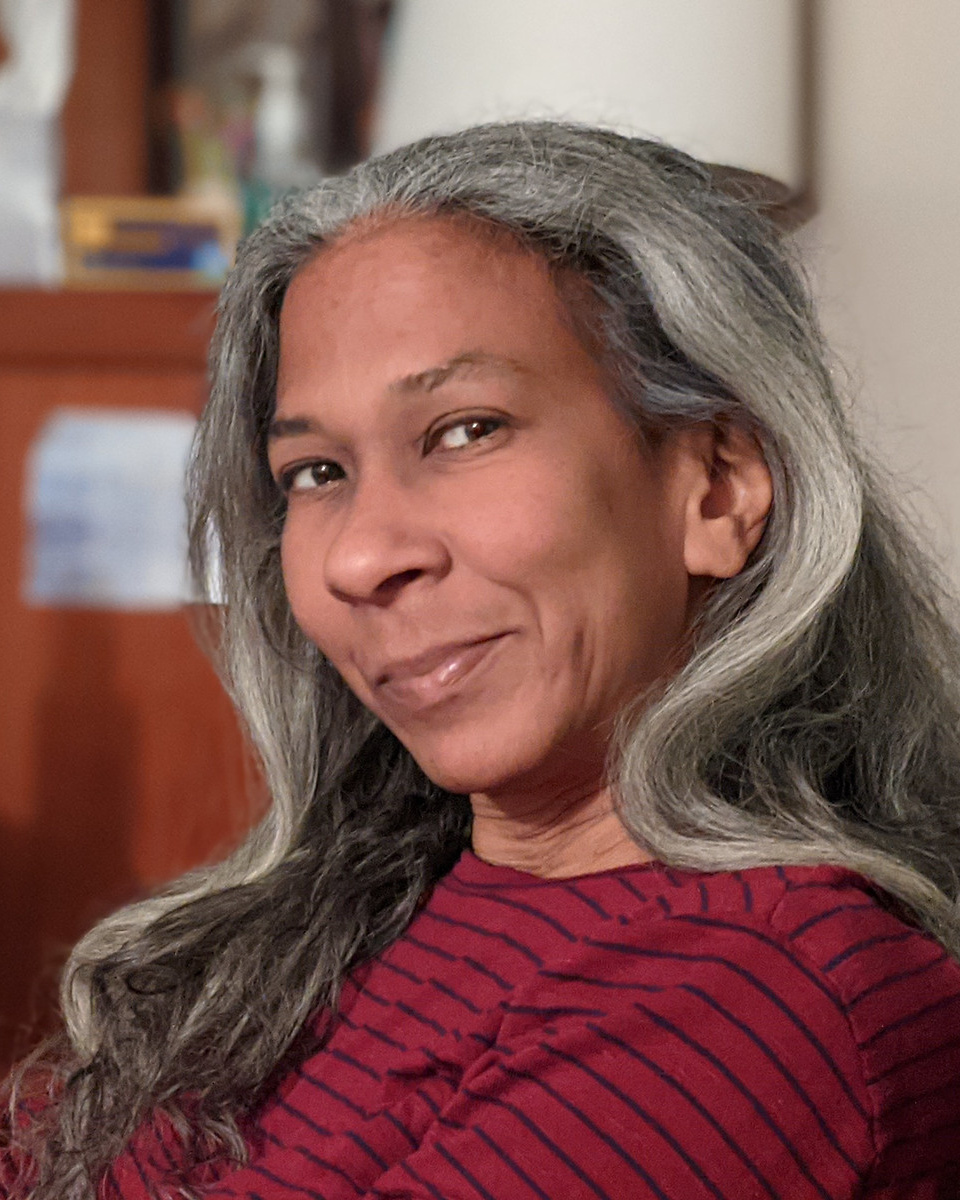
Janine Jackson interviewed Jorge Gutierrez about the Orlando massacre for the June 17, 2016, episode of CounterSpin. This is a lightly edited transcript.

Jorge Gutierrez: “This is about the deep violence that in many ways this country is so obsessed with.” (photo: Familia)
[mp3-jplayer tracks=”CounterSpin Jorge Gutierrez Interview @https://eadn-wc04-3257648.nxedge.io/audio/counterspin/CounterSpin160617Gutierrez.mp3″]
Janine Jackson: In the wake of the horrific attack at Pulse in Orlando, it was all too clear what story some corporate media wanted to tell. Frank Bruni in the New York Times told readers, yes, it was LGBTQ people who were killed and injured, but the attack was really on “freedom itself,” because we in America “integrate and celebrate diverse points of view.” A Guardian journalist walked off the set of a Sky TV interview in which the host insisted the Orlando attack was on “human beings” enjoying themselves, and questioned why he, a gay man, would want to take “ownership” of the crime.
Media are backing off that “clash of civilizations” storyline a little bit, but their eagerness to cram the event into a xenophobic, anti-Islam narrative they’re comfortable with was telling. There’s a value to expanding our definition of “us,” so that we empathize whenever anyone is harmed, but then there’s also vaguing things out so much that you distort and misunderstand what’s happening and what’s at stake.
What if instead of lecturing us, media just listened to the people who were impacted? Joining us to discuss some of the many things that the Orlando killings give us to think about is Jorge Gutierrez, founder and national coordinator of Familia: Trans Queer Liberation Movement. Welcome to CounterSpin, Jorge Gutierrez.
Jorge Gutierrez: Hi. Thank you so much for having me.

Jennicet Gutierrez in “Trans and Queer Latinxs Respond to #PulseOrlando Shooting” (Familia TQLM)
JJ: Many things, of course, are involved here. There’s access to absurdly lethal weapons and access to mental healthcare. There are a number of valid conversations that can grow from this. But it seems important to keep focus on who was targeted and who was killed. But the queer Latinx community is not one that big media have any deep knowledge of, for sure. The video that Familia released, and that’s been widely shared, spoke into that void. Tell us about why you made that video, and what was the message of it?
JG: Waking up on Sunday morning to such horrible news and knowing that this happened at a gay club, it happened on a Latino night where there was Latino and black folks and trans folks were there…. But we didn’t see that being visible in what the media was sharing all through Sunday. And so we thought that there was a need from us to center our lives and our community, and uplift our community in all of this. And so for us, it was a response directly to the erasure from mainstream media of the LGBTQ Latino community, and also a response from us, like you said, about what really happened.
And so we know that this conversation is so complex, and that there’s so many layers to it, but for us, it was important to center the LGBTQ Latino community in all of this. In some ways, we were creating our own narrative, our own story, our own media, because we felt that the mainstream media was ignoring the fact that more than half were Puerto Rican victims and then also Mexican victims and Salvadoran victims. And so we know that over 80 percent of the victims were Latino. And so for us, that was how we wanted to center the conversation.
JJ: Yes, we’ve heard people like Rep. Pete Sessions stumble his way through, you know, it was a young person’s club and some people were gay, but they were mainly Latino—as though some people just can’t see things together. And it’s this thing of intersectionality, you know, the term introduced by critical race theorist Kim Crenshaw, not to mean being two things at once, which we all are, but to mean the way that some people’s particular experience can be erased or made invisible by the way that we consider things along just one vector at a time.
People were gratified, for example, to see CNN’s Anderson Cooper when he was talking to Florida Attorney General Pam Bondi, who opposed same sex marriage, and he was saying, you know, the language that you used in that fight, that gays and lesbians do social harm, you know, that language has repercussions. It isn’t that what happened on June 12 isn’t another order of horror, but there is an effort, isn’t there, to connect it to the violence against LGBTQ people of color every day?

Alan Pelaez Lopez in “Trans and Queer Latinxs Respond to #PulseOrlando Shooting” (Familia TQLM)
JG: Right, right. And I think that that’s also part of the video, that there’s violence. It’s not new, especially to LGBTQ people of color, in our families and our communities, right? That we’re in constant violence, on the streets, at work, wherever we feel like we’re safe. And so for us, it’s important to be able to connect it even to the broader violence, systems of violence, that’s happening in this country. Whether we’re talking about police brutality and violence, whether we’re talking about deep homophobia and transphobia in the country, that we know this reality is happening, and we’re experiencing high volumes of violence every day in our lives in this country.
And so it’s critical that we’re able to connect all of these things together when we talk about what happened in Orlando. That it wasn’t a coincidence that it was a gay club, it’s not a coincidence that it was mostly Latino folks and victims. And so for us, I think that’s really important to know, because I think it matters. We’re talking here about violence towards people of color, we’re talking about racism, we’re talking about transphobia, we’re talking about homophobia. These are all the systems that are creating constant violence in our communities every day. And so I think to not mention that is an insult to our communities, because we know too well this kind of reality.
And, unfortunately, this will continue, right? And so we need to figure out ways to really have the real honest conversations in order to be able to find true solutions that will benefit LGBTQ people of color in our communities moving forward.
JJ: One of the things that’s been so heartening has been to see LGBTQ people get out in front of the Islamophobic storyline. People really don’t seem to be falling for that divide and conquer thing.

Bea Esperanza Fonseca in “Trans and Queer Latinxs Respond to #PulseOrlando Shooting” (Familia TQLM)
JG: That call for unity is so important at this moment, and to say, we are not going to blame just one individual, we’re not going to blame one family, one community, that this is so much more than that, right? And so we stand in solidarity with our LGBTQ Muslim brothers and sisters and their families, because we know that this is also going to impact them in other ways. And so we want to stay away from that and really to name it, and say that we do not want mainstream media and the government to use and exploit our pain to grow their Islamophobic agenda.
Because that is not what this is about, right? This is about the deep violence that in many ways this country is so obsessed with. And then we continue to see these kinds of massacres happen in our communities, and yet nothing is being done to stop that from happening.
And so for us this is a call for unity. We stand with our Muslim communities. And then I think that to center the conversation around that is so problematic and so wrong. I think that this calls for unity, it calls for people to come and communities to come together and continue to organize to be able to not have these situations repeated again in this country or anywhere in the world.
JJ: Folks can see the video at FamiliaTQLM.org. Let me just ask you, Jorge, why a video? You know, we’ve seen lots of writing. What was it about the kind of multimedia, or that approach to it? Did you think that would kind of make it more graspable for folks

Jorge Gutierrez in “Trans and Queer Latinxs Respond to #PulseOrlando Shooting” (Familia TQLM)
JR: Yeah, I think all of that, and I think it was also important for people to see the connection of, when you see the faces of the victims on social media and you see that, you know, we’re each other; that could have been us. It could have been us, you know, it could have been any gay Latino nightclub, in LA, in Chicago, in New York. We wanted people to really see and hear directly from our community and center those voices on our community, for us to be able to speak to the pain, to the anger, to speak to all these other issues that are happening. So for us it was really important to people to convey all of that through a video where people could directly see our communities. We thought that that was really, really important.
JJ: Well, thank you very much for that. We’ve been speaking with Jorge Gutierrez of Familia: the Trans Queer Liberation Movement. As I’ve said, you can find them online at FamiliaTQLM.org. Jorge Gutierrez, thank you so much for joining us today on CounterSpin.
JG: No, thank you for having me.