

Janine Jackson interviewed Sheila Carapico about Barack Obama’s visit to Saudi Arabia for the April 22, 2016, episode of CounterSpin. This is a lightly edited transcript.

Sheila Carapico: “None of those traits that we supposedly look for in allies or even friends characterize the Saudi kingdom whatsoever.”
[mp3-jplayer tracks=”CounterSpin Sheila Carapico Interview @https://eadn-wc04-3257648.nxedge.io/audio/counterspin/CounterSpin160422Carapico.mp3″]

New York Daily News,
Janine Jackson: The New York Daily News cover is a photograph of Barack Obama with Saudi Arabia’s King Salman, and the headline “Oil Protect You, Sire.” It’s far from elegant, but the paper’s trying to say something about the relationship CNN likened to “an unhappy marriage in which both sides, for better or worse, are stuck with each other.” News of Obama’s visit to Saudi Arabia changed by the hour: First we were told things were chilly, then that they’d been smoothed over. But people who might want to understand more about the abiding goals of the US alliance with a monarchy where women can’t have bank accounts could easily remain confused.
We’re joined now to discuss the issue by Sheila Carapico. She’s a professor of political science and international studies at the University of Richmond in Virginia, and a contributing editor of Middle East Report. Welcome back to CounterSpin, Sheila Carapico.
Sheila Carapico: Nice to talk to you.
JJ: State definitions of ally or enemy are defining, literally, for US media. It might start out as strategic foreign policy talk, but “ally” and “enemy” fairly quickly become “us” and “them,” and feelings are directed accordingly. So it means a lot that Saudi Arabia is a US “ally.” We’re supposed to cheer for “good” relations with them. But why is that? What is the official basis for the alliance?
SC: Well, it’s not, on a technical point, an alliance, like NATO or something like that. Technically, it’s more like a friendship or a relationship. And it used to be, and it’s still fashionable sometimes to say, it’s really about oil. But I think that’s really only part of it now. Saudi Arabia is also a very major customer for American weapons. This is Obama’s fourth visit. There’s only a handful of other countries he’s visited more. Also, it was revealed recently that the Saudis were somehow threatening to withdraw their funds from the American financial system, which are significant enough that that sounded like a threat, although no one seemed to take it all that seriously.
But the United States as a whole has a real vested economic interest in the relationship with Saudi Arabia, and in maintaining our balance of trade with Saudi Arabia. So we do still import oil from them, but I believe that the amount that we export to them in weapons is even more. And then, in addition, the relationship with Saudi Arabia (and then also the other Gulf monarchies) ensures the American presence, military and naval presence, in the Persian Gulf area, which I think is partly to protect oil, but also to make sure that, for example, the Chinese or other outside powers don’t gain too much of a foothold.
As your question implies, of course, there’s no way that we would justify this “friendship” based on anything about their domestic policy—on gender, on religious or ethnic minorities, on freedom of speech, in terms of any semblance of democracy. I mean, none of those traits that we supposedly look for in allies or even friends characterize the Saudi kingdom whatsoever.
JJ: That’s why I see it as almost a kind of test of media’s ingenuousness, or willingness to appear so. I find foreign policy coverage difficult to parse, because we see what happens in Saudi Arabia, we see them beheading people for witchcraft, for example, and—
SC: Right.
JJ: — and then the coverage calls it “strange bedfellows,” or something. And it seems as though we have to have this relationship with — we have to, against our— we have to hold our nose and have this relationship. I’m not being facetious when I say it’s frankly difficult to understand, the way it’s discussed in the media.
SC: Well, another aspect of that, which I think speaks directly to your comment there, is that they have a phenomenal lobbying machinery, based of course in Washington, that contacts the press and members of Congress, and puts out all sorts of happy news stories about Saudi Arabia and their intent to reform. A colleague of mine, Bob Vitalis, who wrote a book about Saudi Arabia, pointed out that we’ve been talking about how they’re getting ready to reform for like 40 or 50 years and they never do. There’s a very, very well-financed propaganda machine, which is obviously very effective. I mean, you and I know about, for example, these beheadings for things like witchcraft, but it’s remarkable how little real news comes from Saudi Arabia. It’s very difficult to get a reporter’s visa, press visa. You don’t see Obama having a public speech, the way he did in Cuba, for example, giving a press conference. I mean, that doesn’t happen in Saudi Arabia.
JJ: Well, on the arms question that you mentioned earlier, William Hartung had a piece recently in the Times noting that in the first six years of the Obama administration, the US transferred some $50 billion worth of weapons to Saudi Arabia with the ostensible intent of improving security. And that, of course, leads us to Yemen and the Yemen offensive. You know, we always hear it described as Saudi-led but US-backed. Is it possible to overstate the importance of the US backing of that offensive?
SC: I mean, it might be possible, but I certainly don’t think that was an overstatement. The US is actively involved; they do mid-air fueling. The US and the UK both, I might add, have increased weapon sales since the beginning of the Saudi intervention in Yemen. We’ve also—again, both the US and the UK—fostered UN security resolutions that call on all the Yemeni parties to stop fighting but don’t even note the Saudi armed intervention.
And there’s a tendency again in the press and in statements coming from the State Department to treat it as if it were a civil war. Which is really not an accurate statement, because there’s a direct Saudi intervention. The vast majority of the civilian casualties [are inflicted by them]. I mean, one doesn’t have to have much sympathy for the people that they’re fighting against, and I don’t, but nonetheless it is the case that both the civilian casualties, and then other, just dire circumstances…because there’s also a naval blockade, so desperately needed food and fuel and medicine have not been reaching most people in the country. This is a war by one of the richest countries in the world against one of the poorest.
And so it’s really — it’s not surprising, but it nonetheless is disgraceful that the United States would never once have called, for example, for a ceasefire. Or an investigation into what Human Rights Watch and other organizations have documented as disproportionate use of force, poor targeting and other things that Human Rights Watch says may very well amount to war crimes. We’re aiding and abetting those.
JJ: We’ve been speaking with Sheila Carapico, professor of political science and international studies at the University of Richmond in Virginia. Thank you so much, Sheila Carapico, for joining us today on CounterSpin.
SC: My pleasure. Thank you.




How many Americans are aware that genocidal former dictator Idi Amin, someone you could fairly describe as the “Hitler of Africa”, had a comfortable state-funded retirement in Saudi Arabia?
Now imagine what would have happened if Idi Amin retired to Iran.
What traits does the United States look for in our allies and friends? Our government has been supporting, rebuking those who speak out against, and voting down the United Nations on behalf of Israel and it’s brutal occupation for years. Now legislators have passed laws to make it illegal to do business with any organization or country that supports the BDS movement. A peaceful alternative to the occupation.
Where are the voices speaking out when Israel blockades Gaza, as they have done basically since Hamas was elected, and denies food, water, electricity, and medical care to all of the inhabitants trapped there? Where are the outcries when unarmed Palestinian children are deliberately shot by the IDF that our tax dollars are funding. At least we aren’t paying Saudi Arabia to kill and then bullying the rest of the world into silence about it.
When our government gets out of the business of war, perpetrating wars, and giving bling support to a very brutal occupation, perhaps then we can start to criticize other governments.
Blind support, although auto-correct wasn’t far off…
“its” brutal occupation
Android thanks you.
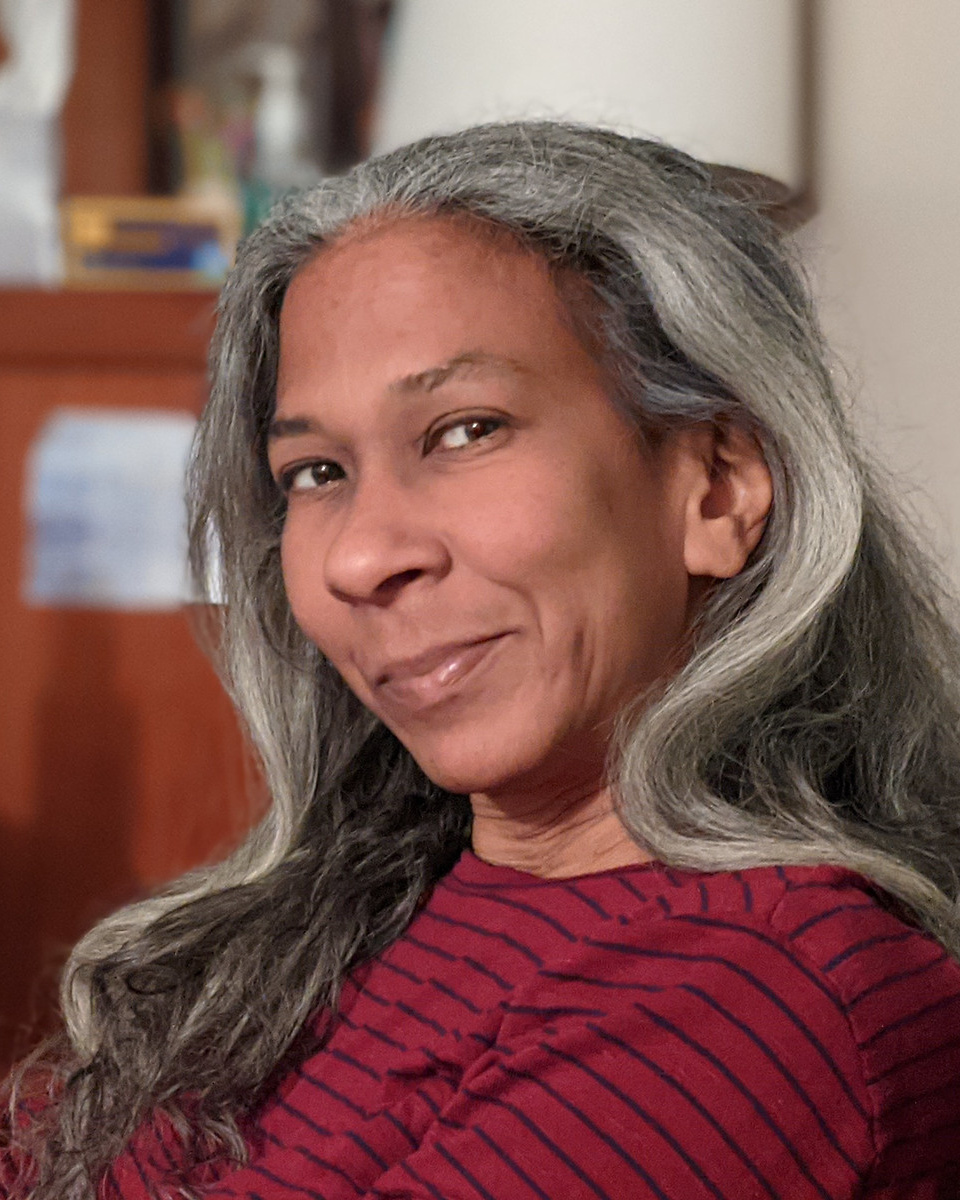
Sheila Carapico
“I mean, one doesn’t have to have much sympathy
for the people that they’re fighting against, and I don’t”
She is talking about the Houthi government of Yemen, the government that won a decade long civil war in Yemen, the government that is preferred by the vast majority of Yemen, the one and only government that has defeated in battles the terrorists now invading Yemen.
So, exactly what kind of propaganda is she feeding our college kids, that it’s OK to carpet bomb the poorest country on earth so long as your trading bombs for oil with the richest oil-rich nation on earth?
Fact is the Saudis did not start the violence or invade to try to take over Yemen. They were responding to a violent takeover of the government and the capital by one armed regional faction and some other sympathizers. The Yemen political scene is a crazy patchwork of shifting alliances, with the Houthis now allied with the same Yemeni Sunni Arab that was their oppressor in violent years past. That the Saudis have been brutal is accurate. That the situation in Yemen is beyond catastrophic is true. While the specifics of the Yemeni alliances and individuals always changes, the basic issues of who is fighting who and why still very much remains the same. It is a complex mix of ethnicity (Tribes); sectarianism (Sunni and Shia in simplest terms) and geographic – the North, the South, the Eastern region. Very little of which was caused or can be solved by the Saudis. Their strategy is to bleed all parties until they are ready for (at least temporary) negotiated settlement. All this is to protect their southern border where large areas are populated by Saudi citizens of various Shia sectarian identity and potentially susceptible to unleashing violent anti-Al Saud conflicts.
I’m a little disgusted by the recent MSM “bad marriage” and “stuck with em” meme regarding Saudi Arabia – probably the most vicious dictatorship and surely the most arrogant, unaccountable actor on the globe. The fact is the Saudi’s are more than just an ally of the US – look at the almost familial ties between the Saudi Royals and what amounts to US royalty, the Bush Family. They prop up our dollar, they buy our weapons, they flood our media and government with cold hard cash.
They are hideous and but they are also completely tied to our elite. They have more political power, certainly, than even most American interest groups. What comes to mind as being closest was the high level social relations between the Iranian Royalty and powerful people in the US – best exemplified by Richard Helms relationship to the Shah of Iran. And look how that affected US policy much of the worse.
“much FOR the worse”
some perspective is due…when our country was formed, our Constitution and our gloried Founding Fathers legalized slavery. When my mother was born she could not vote nor could any female. I can remember seeing “No Colored” signs on bathroom doors, in restaurants and all around large parts of America. Have we not just experienced a surge of awareness that discrimination against so many of our fellow Americans is still remains very real. We seem to be having trouble finding “humane” ways to execute our capital punishment “Perps”. I saw a Saudi execution. it was swift, the Perps were drugged and it was over in seconds. Their crime – raping and murdering a 12 year old girl in the desert. Lets be cognizant of how far the Saudis have come in a very short time since their extreme isolation from most of the world for many centuries. If we are claiming to be “better” and More enlightened then we should actually do so. Ms. Carapico should know better if the interviewer clearly does not.
Abolition and women’s suffrage were great developments in the West. Hopefully they will be more fully explored by our enlightened societies. Perhaps your intent is to just apologize for Saudi or repeat their government backed excuses, but saudi started with slavery and women didn’t have the right to vote. And technically slavery is illegal, and women, and their male counterparts, still don’t get to vote. Saudi (like the USA) was never isolated, people have been traveling in and out of Mecca from all over the world since the time of the Prophet Mohammed(PBUH), and possibly before. The government has had relationships with nations through opec, religion and trade. However the government, and their preachers, have used their power to keep the people from gaining from these relationships, and at the same time, gained much from these same relationships. That also largely continues. Its time to stop patting Saudi on the back for not trying and treating them more like people who aren’t really trying that hard.
Saudi Arabia is not a friend or an Ally, but a client regime.
And no, media is not protecting Saudis. If anything, movies are made about evil Arabs all the time.
Quick trivia, name one movie about ‘evil arabs’ in each year since 9/11/2001
I think this is a very informative article and comments. One fact of history which I wish people would talk about more is the fact that the Republican Contract with America required its Republican signer to then put into law the National Security Revitalization Act of 1995 that specified that the US would support NATO and war with troops and not support the UN or peacekeeping with troops. I think if more people knew this we could get that National Security Revitalization Act repealed or overturned and get back to peacekeeping.
This really isn’t news. It has been clear forever that we suck up to Saudi because of oil, certainly not because we have any values in common. But it’s good to see something written about it – it’s mostly a taboo subject.
We are not supporting Saudis because of oil. Any government, including those hostile to us like Venezuela, would sell oil on the open market. We support Saudis because they are friendly to Israel.