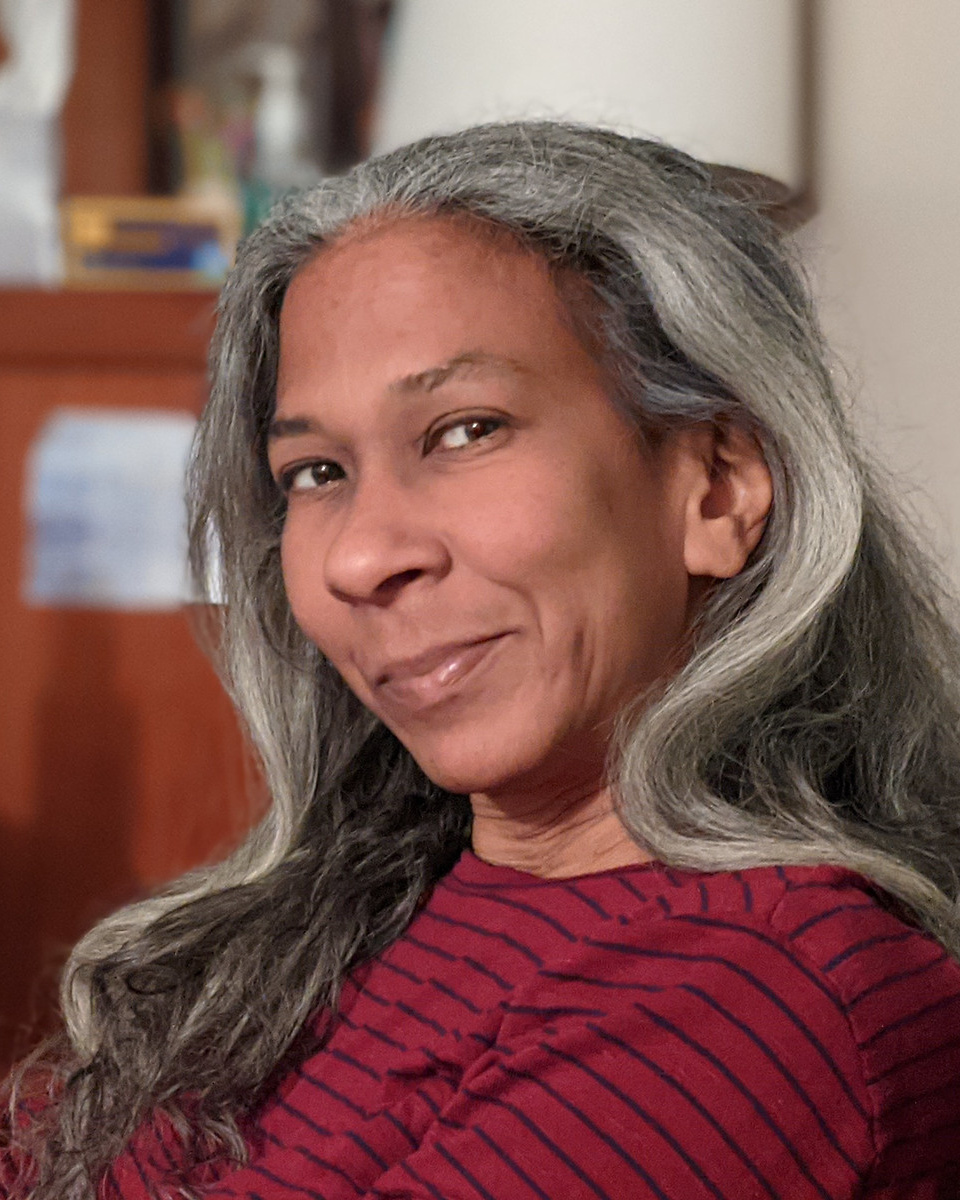
Janine Jackson interviewed Russ Choma about Donald Trump’s conflicts of interest for the January 13, 2017, episode of CounterSpin. This is a lightly edited transcript.

Russ Choma: “Donald Trump keeps on saying this thing about, well, I’m the president, so I can’t have conflicts of interest, and that’s just not true.”
[mp3-jplayer tracks=”CounterSpin Russ Choma Interview @https://eadn-wc04-3257648.nxedge.io/audio/counterspin/CounterSpin170113Choma.mp3″]
Janine Jackson: Donald Trump owns a lot of things, and his big announcement January 11 was that he intends to keep on owning them—despite this presidency business, or however anyone who isn’t Donald Trump has ever done it. Whether it’s the power of persuasion or the persuasiveness of power, it’s not an unfounded concern that some in public life, including in the media, might provide insufficient challenge to the idea that worries about conflicts of interest are really just sour grapes. Reporter Russ Choma has been tracking Trump’s conflicts for Mother Jones. He joins us now by phone from Washington, DC. Welcome to CounterSpin, Russ Choma.
Russ Choma: Hi. Thanks for having me.

Some of Russ Choma’s stories for Mother Jones about Trump’s conflicts of interest.
JJ: I know that not everyone can cover everything, and there’s a whole lot of ground to cover. But still, you’re one of not very many reporters that have really fleshed out Donald Trump’s conflicting interests, rather than just sort of mention them, or say that they’re “controversial” or something like that. Before we talk about coverage, let’s talk about some of the substance here. What, for you, are among the most significant and/or troubling conflicts for the president-elect?
RC: I think, first of all, the thing that probably troubles me the most is that we just don’t know very much, or we know some but not enough. He’s disclosed his assets and his liabilities, but we’re missing a lot of details. We’re missing, especially, details on the debts, the liabilities. He reported, or now is reporting, about $713 million in debts to a number of banks. We don’t know the details of these loans. We know that he’s personally guaranteed some of the money, we don’t know how much. We know that some of these loans have been turned around and sold off. We don’t know everyone who owns the loans now, or how much is he spending to make these payments. We have some idea of his income, we have some idea of his net worth, but it’s tough to say how much leverage people have on him.
All these things are things that concern me that we don’t know. Getting a little more detail, getting his tax returns, would help with all of this. But that’s the first concern, is that we just don’t know enough.
I think that the next biggest thing is the debt, for me. That’s something that we’ve covered a lot, is the debt. His biggest lender is Deutsche Bank, which is a large German bank. They’re financially troubled. They’ve also run into a lot of trouble with US regulators. They just settled a $7.2 billion fine with the Department of Justice for the role that they played in creating bad mortgages and then packaging them in the lead-up to the 2008 economic crisis. They’re currently under investigation for the role that they played in potentially helping Russians who were under sanction get money out of Moscow; the New Yorker had a really great piece this summer on what essentially looked like money-laundering.
Department of Justice is investigating them. They’re his biggest lender. He’s going to be in charge of the Department of Justice. How tough is he going to be on them? And this fall, when the question came up about their role in the 2008 mortgage crisis, when the Department of Justice initially said, we’re going to be very, very tough; we want a fine of $14 billion—the bank almost went under. Its stock crashed, the German government had to announce that they were not going to step in and prop the bank up. I mean, it could have very quickly become an international crisis, an international situation.
And if he owes these people money, $364 million by our count, he needs them to keep lending him money, that’s a huge conflict. And to me, it’s something you can’t get around. You know, he can say he’s not going to run his business anymore, he can turn it over to his children, but if he’s personally guaranteed these loans, and these lenders have this leverage over him, that’s something you just can’t get around, unless you get rid of the loans, and you get rid of the assets that you’ve mortgaged against them.
JJ: I think that emphasis on, as you put it, not just what he owns, but what he owes, is very interesting, and an interesting point that’s not being brought up so clearly, maybe, in mainstream media coverage. But the conflicts are similar in that, you know, he owns Vegas casinos, and they will be involved with the National Labor Relations Board, and he’s going to appoint members there. The nature of the conflicts between what you would look for a president to do politically and choices he might make as a businessman or as an owner, the nature of the conflict is similar.
RC: Right, I don’t want to say that there aren’t conflicts with what he owns, because you’re absolutely right. Like you pointed out, the National Labor Relations Board; that’s been one that has come up, and it’s sure to come up again, considering how many people are employed at his hotels. And then his foreign interests, the things that he owns overseas, all that—most of those aren’t actually attached to any debt, but that’s a good example of what he owns.
JJ: Right. Well, I’m not at all saying that media has ignored the issue. But the way stories present things, we read about “almost” an “appearance” that “might suggest” to “some” a “potential” conflict…. It’s almost like conflicts of interest are chimerae. And I think it’s because, on some level, it’s seen as a judgment call, like you’re making a moral claim: “You might think he has a conflict of interest, because you don’t trust him.”
But it’s really just a situational definition, isn’t it? You’re saying a person has two interests, they’re competing. You’re not even claiming that they’re favoring one over the other. But it’s not a wait-and-see type of thing, it’s just a kind of relationship that in itself presents a problem.
RC: Right. Donald Trump keeps on saying this thing about, well, I’m the president, so I can’t have conflicts of interest, and that’s just not true. You may legally not be subject to the conflict of interest law, but the conflict is still there. The fact that Deutsche Bank is your biggest lender and Deutsche Bank is in trouble with the Department of Justice, or potentially in trouble with the Department of Justice, that’s a conflict. Now the question becomes, can it be managed? Is it a big deal? Is it something to be concerned about? But it’s a conflict.
The other thing is with conflict of interest — and this is a big part of the thinking on all conflict of interest—is that you don’t have to have an actual act of wrongdoing. You know, Donald Trump could act with the best intentions when it comes to Deutsche Bank; he could do everything that he’s supposed to do. Deutsche Bank could not ask for any favors, could not pressure him at all. But as long as that conflict exists, and people think that there’s a possibility that something happened—you know, it’s the appearance of a conflict that’s just as important as the actual conflict. People are going to question it.
JJ: After the press conference, headlines like “Trump Said Ready to Turn Business Over to Trust Run by Sons and Associate” imply that some sort of meaningful concession was made. But these moves, the “many documents” he says he signed, making inside hires of ethical advisors—that doesn’t really touch the key conflict that you’re talking about, does it?
RC: Right. I mean, we need a lot more detail. The ethics experts I spoke to said none of what he announced at the press conference actually addresses the core issues that need to be addressed. But even for those steps to do the things that he said, we need a lot more information.
There’s a concern with the Constitution, that the Constitution says that federal officeholders can’t accept a financial benefit from a foreign government. Would that apply to his hotel in Washington, which foreign delegations seem to be rushing to rent rooms at? And his lawyer said, well, we’ll donate the profits from any transaction with a foreign delegation to the US Treasury.
Well, what do you mean, profit? Are you counting the money that you make only after you pay all of your overhead, you pay your debt service, you pay your taxes? Because you could still take a lot of money before you get to that point.
And how do we know that you’re actually doing that? Are you going to open up your books? Are you going to make the hotel’s books public? Are they going to be affected by FOIA? I mean, there’s a lot of details before anything that he said yesterday can really be verified.
And then even when it is, like I said, the ethics experts that I’ve spoken to say it doesn’t actually meet the requirements that they think need to be made.
JJ: Right. Well, what can you tell us about congressional efforts to address this problem?
RC: I guess the good news is that Congress can act if they’d like to, with the power of hearings and oversight committees. And I think that, as we saw with Hillary Clinton’s emails, if members of Congress want to make something into a very big deal, they will.
And I spoke to one constitutional lawyer who said if you thought that Hillary’s emails were a big deal, wait till you see what they do with Trump’s conflicts of interests. Now, that requires having members of Congress who want to do that. If he has supportive Republicans, who currently control both houses, they’re not going to do anything. And right now, there are Democrats who are attempting to make a fuss, who are releasing press releases, who are sponsoring legislation, but without Republicans to go along with them, those hearings aren’t going to get held, that legislation’s not going to move. And so, at the moment, it’s sort of dead in the water.
Now, we did see that when the Republicans moved to lessen the power of the congressional Office of Ethics—which is not actually anything to do with Trump—a huge, huge response from the public, where people called and swamped the switchboard, that actually had an impact. And so we’ve seen that members of Congress can be swayed by a public outcry, and that on the issue of ethics, there is a public concern, and the public wants our government to act ethically. So I think that it’s not out of the question that Congress could take steps. They just need to be motivated. And I think right now, the majority doesn’t feel motivated, and the minority doesn’t have a lot of options without help.
JJ: Finally, and directly to that point of possible sources of that motivation, what role do you see for reporters and for the public?
RC: So this is something that I’ve been writing about for the last 18 months. I mean, I wrote my first story, it’s about his personal finances, back in July of 2015, about a week or two after he announced he was running, and for a long time, I felt like I was a little bit alone on the beat.
Lately there have been a lot of people who have brought this up. His debt is finally becoming something people are talking about, and I think there is a lot of attention. I mean, I agree not all of it is always correct or productive, but I think that reporters have finally caught on.
And I think the key is to keep working on it. But it’s also easy to get frustrated. Having worked on it for so long, and feeling like people weren’t paying attention, sometimes as a reporter you wonder, is this something worth pursuing? I think that we’ve seen that as interest has grown, as he got closer to the presidency, as some of these things became more obvious, the interest was there, and it was worth it. But I think that reporters have to keep it up, and I think that reporters also have to find a way to continue to make it relevant, because there are people pushing back on this. I mean, Trump himself, and all of his sort of entourage, push back on the idea that he should have to do anything.
And so I think that it’s not going to be an easy thing for reporters, and the media doesn’t always have a great attention span. And if you don’t get immediate action, the media sometimes lets things go. And I’m lucky enough to work somewhere where I feel like we continue to pursue stories even when it’s not the most obviously popular thing to do, and I think hopefully other reporters will be able to do that as well.
JJ: We’ve been speaking with reporter Russ Choma. Follow his work on Trump’s conflicts of interest and other issues at MotherJones.com. Russ Choma, thanks so much for joining us this week on CounterSpin.
RC: Thank you for having me.