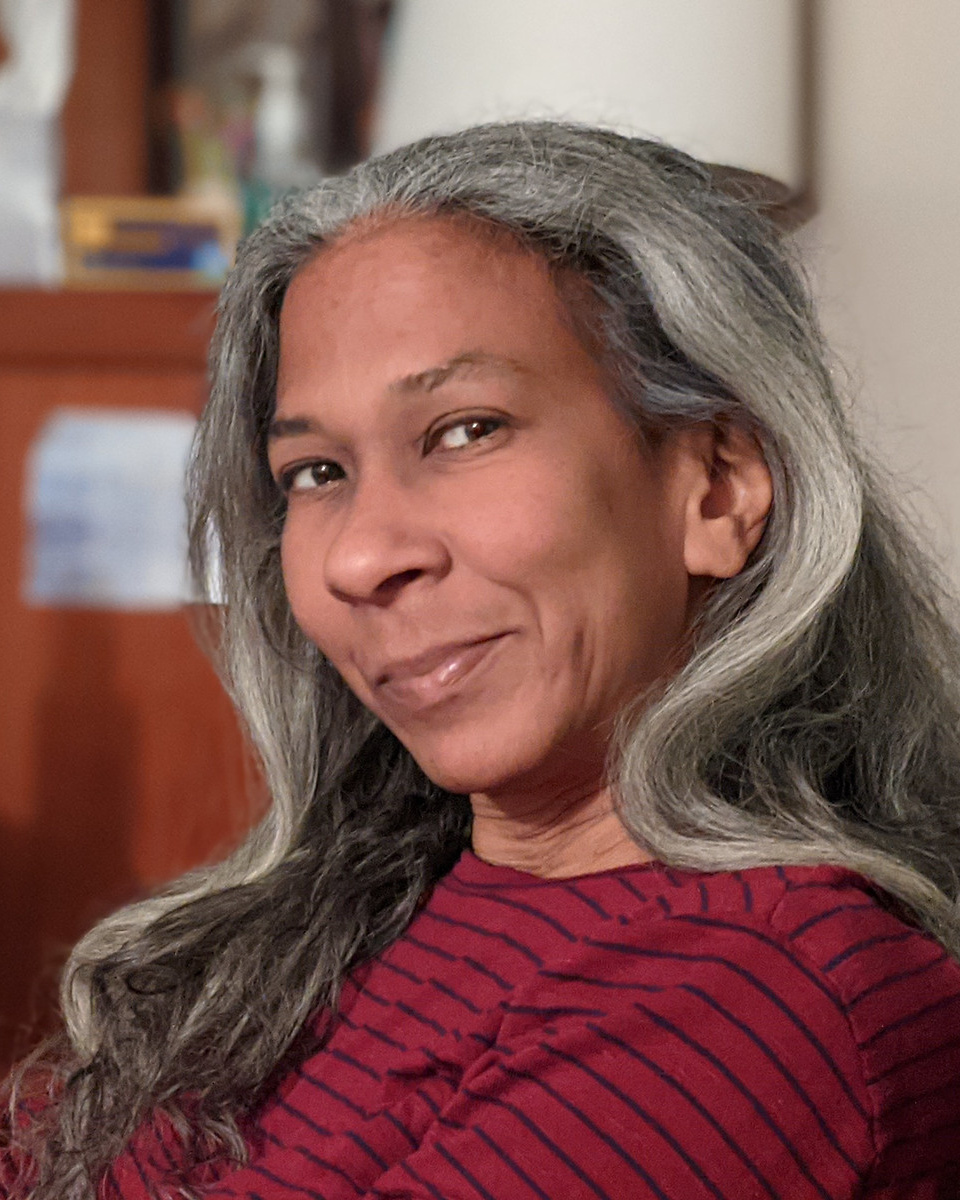
Janine Jackson interviewed professor Beth Haller about disability rights for the July 31 CounterSpin. This is a lightly edited transcript.

Beth Haller: “Anything that is causing pity in the news media is not a good thing.”
Janine Jackson: When 2,000 people gathered on the White House lawn on July 26, 1990, for the signing of the Americans with Disabilities Act, it was largest gathering ever of journalists for a disability story, activist and author Mary Johnson noted in FAIR’s magazine Extra! (7-8/91)—though most of them missed the fact that the White House itself lacked the accessible restrooms mandated by the act.
One reporter said, “This disability rights movement seemed to come out of nowhere,” but Johnson said, if it seemed that way, it’s because of US media’s studious avoidance of disability rights issues in favor of soft stories about courageous individuals who “don’t let disability slow them down.”
Twenty-five years on, how much has changed? Beth Haller is professor of mass communication at Towson University and author of Representing Disability in an Ableist World: Essays on Mass Media. She also runs the blog Media Dis & Dat about disability issues in the press. She joins us now by phone. Welcome to CounterSpin, Beth Haller!
Beth Haller: Thank you.
JJ: I was pleased by the amount of attention that the Americans with Disabilities Act anniversary got, but there was something a little frustrating about the formula: “We’ve come a long way; there’s still a long way to go” seems to be the angle, and I worry a little that that sounds like it’s accepting “on the way to OK” as OK. It lacks urgency, it makes it sound like discrimination against people with disabilities is a problem, but maybe not a very high priority. But you have tracked coverage over time; do you think things are really better now, not just in terms of the quantity of media attention, but in the quality or substance of that attention?
BH: Yeah, I think since 2008 when the amendments were added, I think there has been more of an urgency on the part of the federal government to actually enforce the ADA, and I think that has gotten a little bit more media attention, because the Department of Justice, the EEOC, the Department of Education, are putting out press releases whenever they are going after somebody for ADA violations. So I think there’s been some pretty good, consistent media coverage of that.
But then also with the swapping of traditional, legacy media out of the picture, it’s been a lot more of just press releases from the federal government that are getting media play, if you call the posting of things on the internet “media play.” I think there are several things going on, both with the media and with more enforcement of the ADA. But I agree with you that it was great to see all the coverage of the ADA 25th anniversary, I thought, and all the media that did stories—but they can’t just drop it now. They do anniversary stories almost every year now, and I think they did more now that this is the 25th anniversary; but in terms of actually covering disability rights, the ADA and other disabilities discrimination cases, they still need to keep after the coverage, and make sure that they’re covering this very important area of our society that just was ignored for so many years.
JJ: Lots of folks don’t realize that enforcement of the ADA really is still an issue. It didn’t come with much funding for enforcement, and it always requires—you have to sue. There is something funny about a right that you have to bring a lawsuit in order to exercise. It’s all kind of based around legislation and from the journalists’ perspective, it would be great if they had some other modes of approaching these issues other than, or in addition to, around lawsuits.
BH: It’s not always happening that it’s a lawsuit. I think sometimes the federal government is just going after a city or business that they see has been in flagrant violation of the ADA for 25 years. So I think sometimes the threats are enough. I just think that’s the way it works in America. Lawsuits are the way that a lot of civil rights have happened. In particular, the disability community has had to use that, because if you can’t even get into the building to protest, it’s better to get your lawyer to file a lawsuit.
Nobody is writing about the fact that a lot of companies, local governments, lots of institutions have just flagrantly violated the ADA for years, and that’s 25 years of noncompliance that I don’t think we would put up with in a lot of other areas; and so I’m glad that the federal government is going after lots of places that haven’t complied.
JJ: Absolutely. I wonder what you think — this might just be a personal thing of mine, but — what do you think about the thing where the journalist uses a wheelchair for a day or for a few days and writes a story about that saying, “Now I really understand.” That’s one of my least favorite tropes in media coverage of disability issues, is the “I was disabled for a day.” Are there any stories like that or tropes in media that when you see them you just grit your teeth, or that you’d like journalists to drop in coverage of this issue?
BH: Yes, the disability community is very much against those “spend a day or an hour in a wheelchair” stories, because all it does is reinforce pity narratives. It doesn’t build awareness, it just builds more negative attitudes toward people with disabilities. I think that anything that is causing pity in the news media is not a good thing. People already have a lot of misunderstanding about the disability experience in America, so they are already going at it from the wrong place, and if the media is reinforcing that, it’s really a negative stigma that happens.

Stella Young: “I’m not your inspiration, thank you very much.” (photo: TED Blog)
To me, the flipside also is this kind of “supercrip” narrative, where people are held up as inspirations. I know there is a great video from the late Stella Young in Australia about the problems of applauding people for just getting up in the morning because they have a disability. That also to me is a problem, because then there’s no expectation that people with disabilities are going to be part of our society, working at jobs, our next-door neighbors and running for office, doing all the other parts of societal work that everybody else does, if you just see them as, like, “Oh, they got out of bed, isn’t that great.” I think those are really problematic, too–because, again, you are already dealing with a lot of negative attitudes of the audience of the media.
So I think they need to really step it up in the news media and get to real, more nuanced stories about some of these real experiences. That’s why I think social media and the internet have really been a boon to the disability community, because now a lot more people with disabilities are writing their own stories, telling their own stories, and there’s not that filtering through the news media. And then it flips, so people are blogging or talking about their lives on social media; and then the news media comes calling, and I think when that happens, it comes from a different place, because the news media is getting educated by the disabled writer, and then they can go do a story with a little better understanding. So I’m a big proponent of what’s going on with social networking from the disability community, because I think they really harnessed it for good to get their own stories out there.
There was a Twitter discussion last week; the hashtag was #disabilitystories. And I think it was great, you know, the Smithsonian was involved, and a lot of disability visibility projects were involved. There was a lot of focus on the real disabilities stories in America. I think journalists probably got an education if they read any of those about what the real story is, and got hopefully story ideas for the future, too.
JJ: Well, we will end on that positive note.
We’ve been speaking with Beth Haller of Towson University and her book is Representing Disabilities in an Ableist World: Essays on Mass Media. Her blog is Media Dis & Dat. Thanks for joining us on CounterSpin this week, Beth Haller.
BH: Appreciate it, thank you.