[mp3-jplayer tracks=”CounterSpin Shailly Gupta Barnes Frances Fox Piven Full Show @http://www.fair.org/audio/counterspin/CounterSpin190927.mp3″]
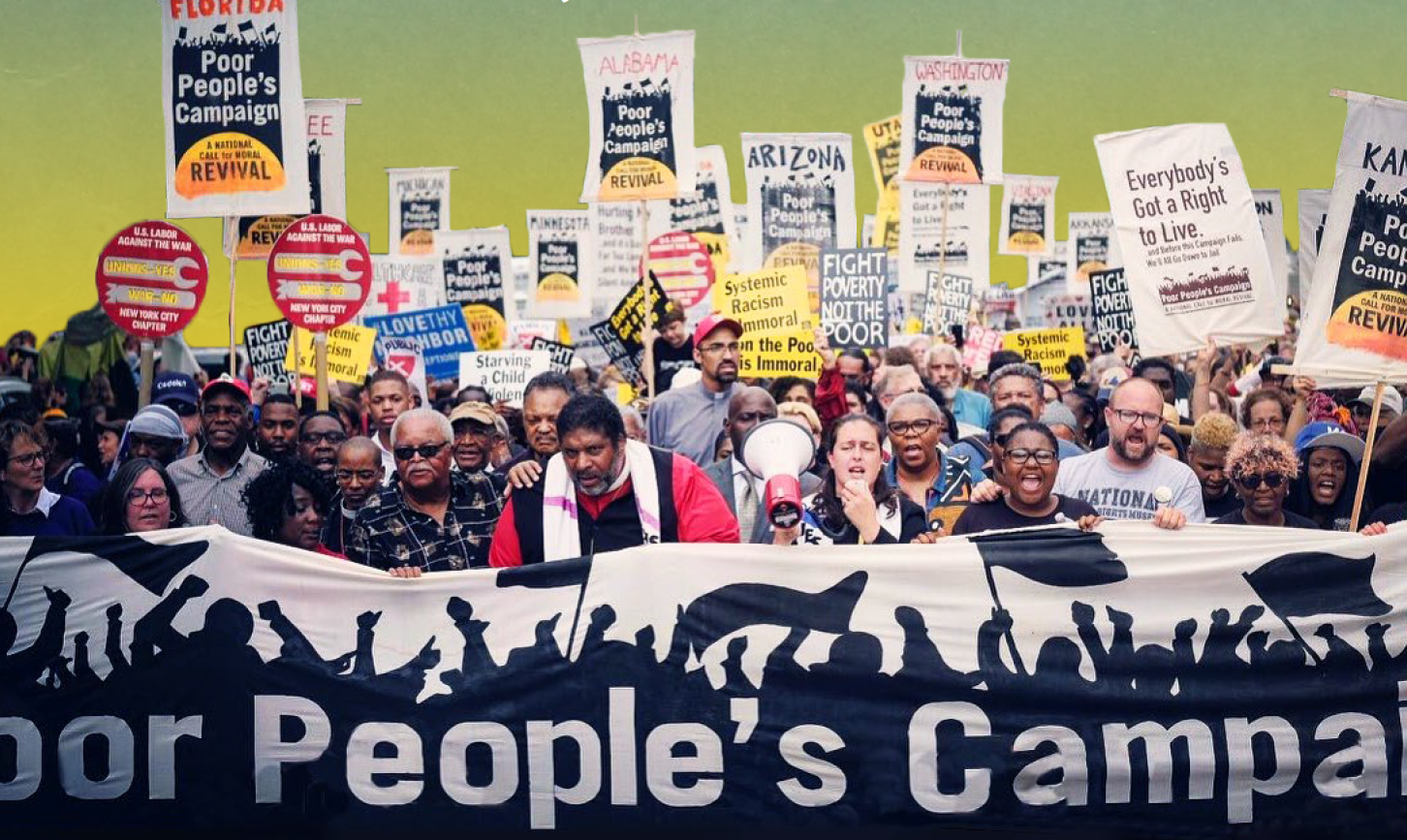
Image: National Priorities Project
This week on CounterSpin: “‘When I use a word,'” says Lewis Carroll’s Humpty Dumpty “in rather a scornful tone, ‘it means just what I choose it to mean—neither more nor less.'” So it is with corporate media when it comes to money—the idea, if not the word. Congress passes a $700 billion Pentagon bill, and the New York Times calls it “a muscular vision of America as a global power”—with not a hint of consideration of whether that muscularity could’ve been bought for maybe a billion or two less. The same media find important indeed the difference between a family of four living on $24,000 a year and one living on $48,000. In discussion of how much help the government should provide, they say the conflation of those two groups is unacceptable.
Elite media coverage of poverty has long centered questions of measuring it at the expense of ideas about ending it. We talked about that with Shailly Gupta Barnes, policy director at the Kairos Center and co-author of the report Poor People’s Moral Budget: Everybody Has the Right to Live.
Transcript: ‘Maybe It’s Time We Broaden What We Mean by “Poor”’
[mp3-jplayer tracks=”CounterSpin Shailly Gupta Barnes Interview @http://www.fair.org/audio/counterspin/CounterSpin190927Barnes.mp3″]
CounterSpin also revisits a still-resonant conversation we had with political scientist Frances Fox Piven back in 2011.
Transcript: ‘Poverty Is Not Just a Measure of How Much Cabbage and Potatoes You Need to Live On’
[mp3-jplayer tracks=”CounterSpin Frances Fox Piven Interview @http://www.fair.org/audio/counterspin/CounterSpin190927Piven.mp3″]
Plus Janine Jackson takes a look back at recent press coverage of hurricanes and Bernie Sanders.
[mp3-jplayer tracks=”CounterSpin Banter @http://www.fair.org/audio/counterspin/CounterSpin190927Banter.mp3″]