


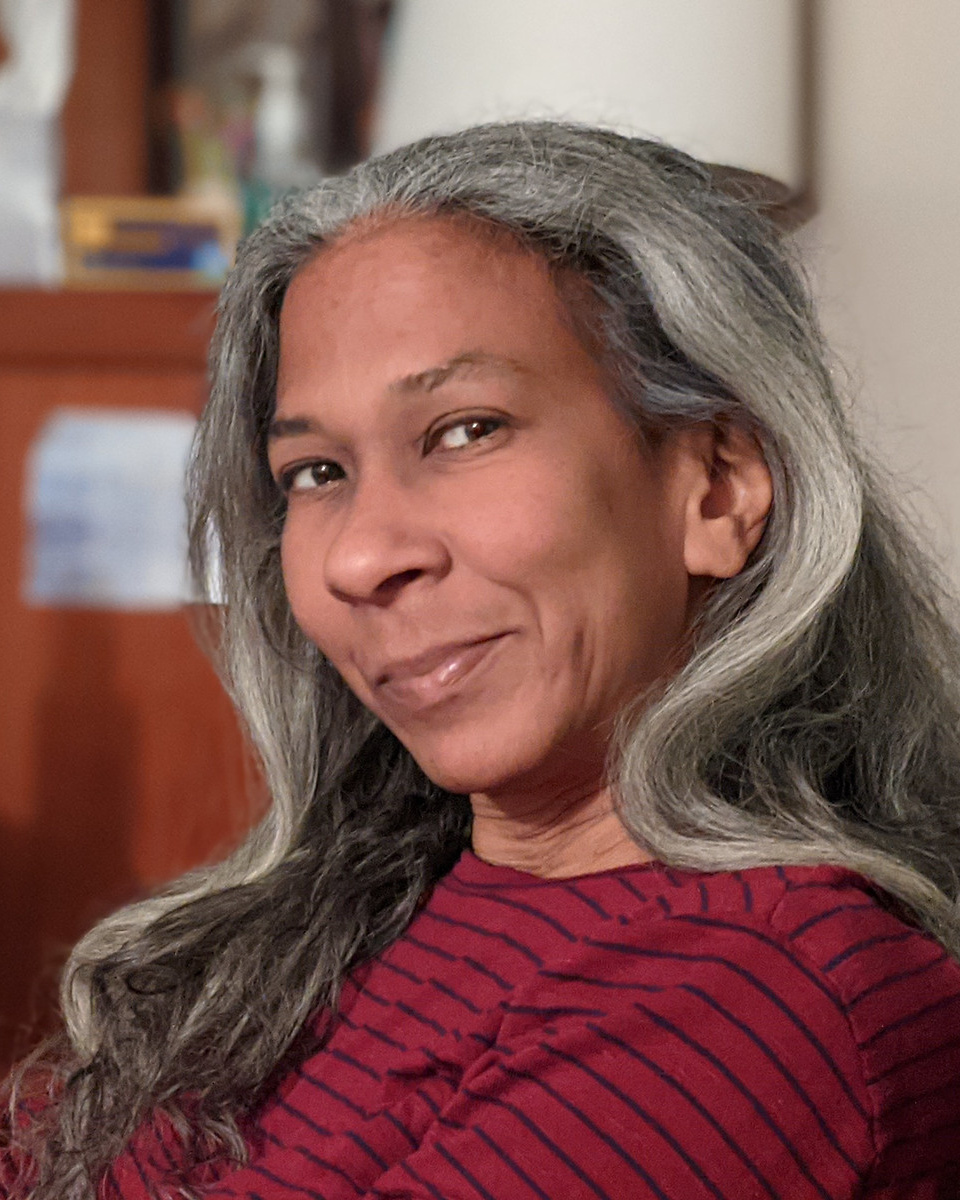
asha bandele: “It’s not like we do this stuff based on science or based on public health or public safety…. In fact, the laws we create generate public danger.”
Excerpts from Janine Jackson’s CounterSpin interview with asha bandele (4/1/16):
You want to know what this was really all about? The Nixon campaign in 1968, and the Nixon White House after that, had two enemies, the anti-war left and black people. You understand what I’m saying? We knew we couldn’t make it illegal to be either against the war or black, but by getting the public to associate the hippies with marijuana and blacks with heroin, and then criminalizing both heavily, we could disrupt those communities. We could arrest their leaders, raid their homes, break up their meetings and vilify them night after night on the evening news. Did we know we were lying about the drugs? Of course we did.
—Nixon domestic policy adviser John Ehrlichman on the “war on drugs” (Harper’s, 4/16)
***

John Ehrlichman: “Did we know we were lying about the drugs? Of course we did.”
Janine Jackson: You get the patronizing vibe from its headline, “Was Nixon’s War on Drugs a Racially Motivated Crusade? It’s a Bit More Complicated.” This is a piece by Vox.com (3/29/16) that ties itself into a pretzel, saying that Nixon was racist, but you have to keep in mind that also he “personally despised drugs, to the point that it’s not surprising he would want to rid the world of them.” But here’s the big finish:
None of that means that the drug war hasn’t disproportionately hurt black Americans, it clearly has. But the lessons of Nixon’s drug policies may not be so much that he was a racist power-hungry politician, although again he was, but rather that even well-meaning policies can have big, terrible unintended consequences.
I’m not going to ask you to make actual sense of that, but instead to talk about this useful confusion, if you will, the idea that a set of policies and practices can’t be properly described as racist unless you can show evidence of explicitly racist intent. How much should it matter what Ehrlichman said?
AB: Yeah. I mean, I think that it matters somewhat, but I’m not intent at looking at that. Right? I think that we look at every drug law that’s been started in America, and it’s always been tied to race. When you were talking about the first opiate laws, those were against Chinese people. The first cocaine laws are against black people, with the New York Times screaming about the Negro cocaine menace. You know, describing the Negro from the South in much the same ways we heard Mike Brown described when Darren Wilson shot and killed him: that he was lurching toward him, he couldn’t stop him, you had to shoot down and kill this big, unstoppable black monster. And, of course, marijuana laws targeted, in particular, Mexicans who were coming into the United States.
And so you see that in all of these cases there’s a fundamental tie-in, and that’s around economic policy. Right? They were worried about blacks coming up from the South and taking jobs, the Chinese men who were here building the railroad and what else would happen after that was gone, and Mexicans coming up from Mexico and taking jobs. So there’s never been a drug law that has started in the United States that wasn’t explicitly tied to race, and wasn’t around race. When you had white women who were using opiates to soothe their pain in the 1800s, there were never any laws against them. They were treated as people who needed public health intervention, if in fact they were using it in a way that was deleterious to their lives.
And much in the same way, we see that now. Right? So now we’re getting a kinder, gentler drug war, because they’re concerned that white people are dying of opiate overdose. And we didn’t have that, and there’s been no plan to talk about what are they going to do to repair the harms that have been done to people who were criminalized.
And, you know, when it comes to black people and Nixon, I will say this. We do know that Nixon participated in various counterintelligence-type programs, including Project New Kill comes up under his administration, and all these ways to disrupt black people and activists in general. And it strikes me that the War on Drugs begins right at the time, under Nixon, that black people really had the world looking at us and looking at the human rights violations that had been going on in America for so long against black people. Right? We’re at the height of that. The civil rights movement coming to a close, and really, now that we’ve gotten civil rights, how do we demand full human rights, which was what the Black Power movement was doing?
And so, right as that’s happening, Nixon finds a way to criminalize a whole swath of the American populace, the African-American swath of the American populace. That’s really what happened: In the moment we held the moral high ground, we were all criminalized.
asha bandele, senior director of grants, partnerships and special projects at Drug Policy Alliance, was interviewed for CounterSpin (4/1/16). This is an edited transcript. You can find the full interview online at FAIR.org.




What is actually Politics? Play a game. Its nothing more then this. Play a game and defeat the rival. Now a days, this is happening every where. Its not only limited in Developing countries. Its happening in Developed countries also.