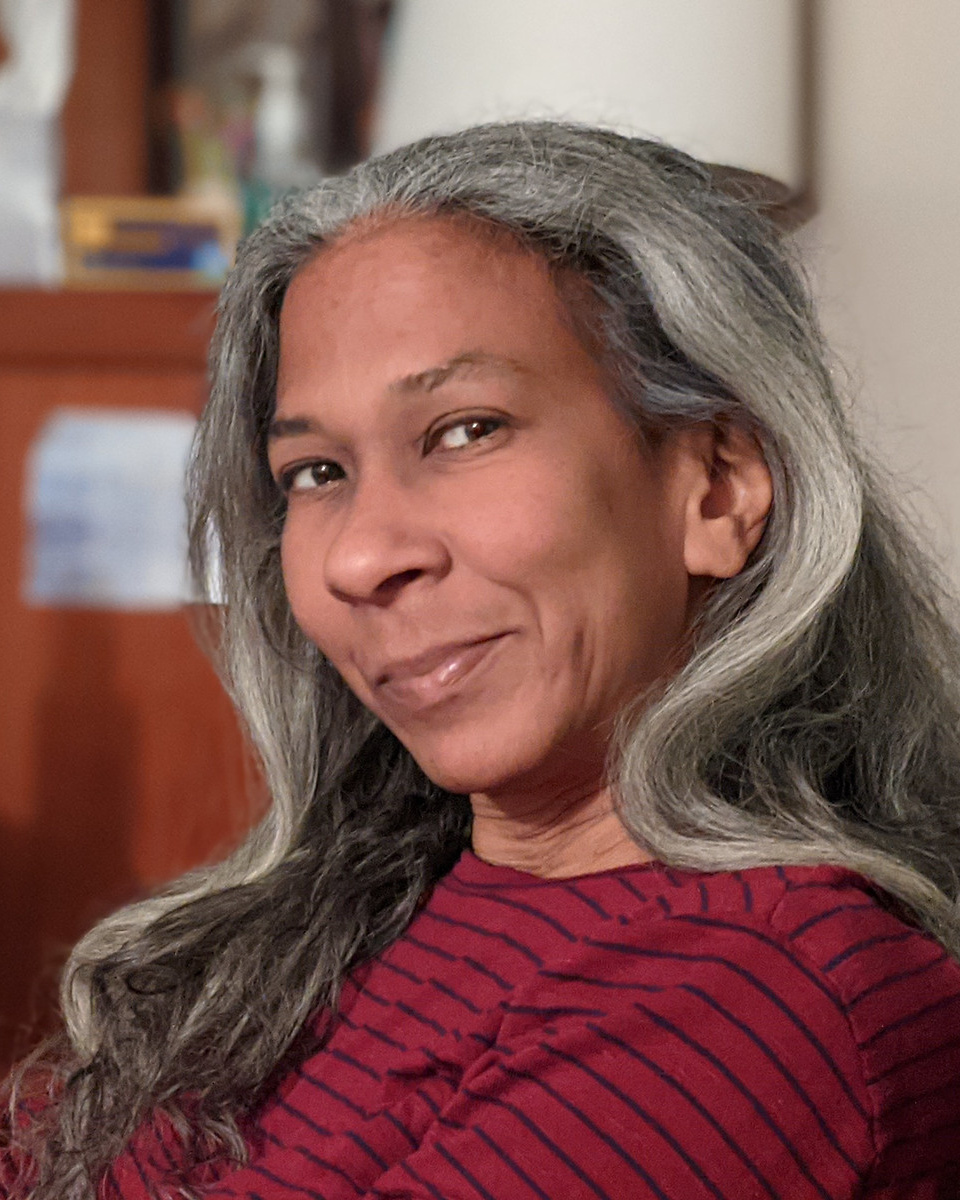
Margaret Flowers is coordinator of the national Health Over Profit for Everyone campaign. Janine Jackson interviewed her for the March 2, 2018, episode of CounterSpin.
Janine Jackson: I guess I have a straightforward question: What is it, this “Medicare Extra for All” plan? It certainly sounds good.
Margaret Flowers: Sure. To people who are not policy wonks, it sounds great, because it uses the language that the movement for a single-payer healthcare plan has been using for a long time, “Medicare for All.” But the plan that the Center for American Progress is proposing is actually just another try at the public option that was put out there back in 2008, 2009, under the Obama administration. It’s just creating an opportunity for people to join Medicare. It’s another attempt at incremental health reform that doesn’t actually get at the root of the problems, but uses the language of the movement for health reform.
JJ: The Center for American Progress, they say, “Medicare Extra for All would guarantee universal coverage and eliminate underinsurance.” What are they talking about with that claim?
MF: This is exactly the same terms that were used when the Affordable Care Act was put together. There was very strong public support for a National Improved Medicare for All, or single-payer health plan. The members of Congress who are funded by the industries that are profiting off of our current health system didn’t want to go against their campaign funders, but had to do something that was appealing to the public, so they said it would be affordable, guaranteed and universal. We knew that it was never going to be any of those things.
And they used something called a public option to convince single-payer supporters that they were asking for too much, and this was more politically feasible, and that it would be a backdoor to single-payer, and a lot of people fell for it.
The Affordable Care Act is resulting in the things we predicted that it would: high insurance premiums, high out-of-pocket costs for people. A lot of people are saying, we don’t want to go backwards, but we also don’t want to fix the Affordable Care Act. We are ready for a National Improved Medicare for All. We are ready to join the rest of the world. So how do members of Congress, and their supporting institutions, once again try to convince the public to do something that’s less than what they want? And that’s what this whole proposal is about.
JJ: In the media coverage, we see AP referring to “political pragmatism” in talking about this plan. David Leonhardt at the New York Times used the term “realpolitik.” The insistence with which corporate media declare that things that the majority of the public want—and in this case, that other countries around the world have been doing for years—that they’re just not politically possible, that, “Well, sure we all want them, but you just can’t achieve them,” you know, at FAIR, we call that being “not journalistically viable.” Corporate elites simply say: It can’t be done. But why can’t it be done?
MF: Well, there’s no reason that it can’t be done. We’re already spending enough money in the United States to provide high-quality, comprehensive health coverage to every single person living here. We pay twice as much as the average other wealthy nation does on healthcare, and they cover everyone. They have better health outcomes. They have a longer life expectancy.
This same tactic was tried at the end of last summer. There was a very strong push, as people may remember, in Congress, with the Republican efforts to repeal the Affordable Care Act. And people were pushing to not repeal it, but to actually push for a single-payer healthcare system. And so in August and September, there was a whole round of articles coming out. And they were all the same: Single-payer advocates are asking for too much change at once; they don’t have the details worked out; other countries don’t have pure, single-payer systems; there’s too much opposition; we can’t do it all at once; we have to do what’s politically feasible.
And the same arguments are being used again this time. The reality is that our healthcare crisis is not going to be solved until we get the private insurance industry out of it. They add nothing but complication, and sucking money out of our systems for their own profit.
And that’s what a single-payer healthcare system does. The majority of the public supports it. Our movement is actually starting to win. And when you look at the history of successful social movements, we can expect these exact tactics: that the power-holders are going to say: “Oh right, we’re on your side. We want to do what you want.” But they’re actually not doing it. So this is a time for us to be pushing harder. We can change the political feasibility. That’s some-thing that the public has the power to do.