Meet the Press Meets Climate Change
Think the days of climate change ‘false balance’ are over? Think again.
FAIR is the national progressive media watchdog group, challenging corporate media bias, spin and misinformation.


Think the days of climate change ‘false balance’ are over? Think again.
NBC news personalities Chuck Todd and David Gregory wondered if Obama would seize the Keystone XL decision as an important historical moment. Not to take a stand against climate change and the burning of untapped fossil fuels–but to do something Republicans might like.
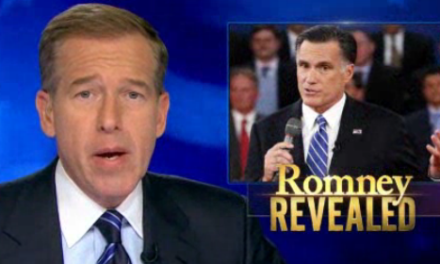
The documentary Mitt is causing many journalists to wonder why the Mitt Romney in the film wasn’t the one who ran for president. It’s a bit like asking why drinking a particular brand of beer doesn’t make you as popular with attractive strangers as the beer ads promised.
If lawmakers are making unfounded allegations about a whistleblower, and those allegations are being repeated across the media, one might think the real problem is with a media culture.
It’s Sunday, and that means time for the network chat shows to present one-sided discussions about the NSA, Edward Snowden and mass surveillance.
More than a decade later, US media still see Fallujah primarily as a place where US forces suffered–and died–perhaps “in vain.” Then and now, the hundreds of Iraqis who died in Fallujah hardly register at all.
What Meet the Press’s David Gregory described as “a bombshell report in the New York Times [that] could change the debate over the deadly attack” in Benghazi, Libya, was actually old news to careful readers.
When establishment journalists were asked about whether media leaned left, so little in their responses addressed what would seem to be the fundamental question: Does what is actually in the media suggest a liberal bias?
U.S. media coverage of Nelson Mandela’s legacy celebrates the late icon’s forgiveness. But one area that gets relatively little attention is US support for the racist government Mandela fought against.
Pundits’ discussions of the Affordable Care Act rollout assumes that the law represents some kind of “activist government” intervention to disrupt the normally smooth workings of the private sector. But that is neither the intent nor the effect of the law.

No, the website problems with the Affordable Care Act aren’t like Hurricane Katrina. They’re more like the Iraq War.

Climate change caused Typhoon Haiyan–in the basic and obvious sense that Haiyan would not have happened in the absence of climate change.
In a rational world, Typhoon Haiyan would get media talking about climate change. But at the moment, it’s barely part of the conversation.
To suggest that the Tea Party exists to express dissatisfaction with both major parties and the national security state, and that Obama’s presidency just so happened to coincide with the rise of this movement, stretches even the most active imagination.

Media are showing keen interest in stories about problems with individual insurance policies. But are they getting the story right? And did CBS ask tough questions of the former deputy director of the CIA–or did they throw softballs? Plus NBC and ABC offer examples of corporate synergy at work, using their news divisions to promote […]
Stories about individuals losing their insurance policies are making the national news. But how often do those gaining insurance through the Affordable Care Act make the news?
Joking about pop music that’s so bad it’s painful helps obscure the all-too-serious use of sound as a weapon that causes actual pain.
Amnesty International and Human Rights Watch both released reports on civilian deaths from US drone strikes in Pakistan and Yemen. Despite being front-page news in the New York Times, the reports were absent from the network evening newscasts.
TV bosses are in the top 20 percent of big corporations in terms of how much more they make than their employees.
Media don’t tend to define The Center as “Things Most People Support,” because letting people know that most Americans support raising taxes on the wealthy, cutting military spending or providing single-payer healthcare would make the elite political debate seem like it’s well to the right of the public.

