Amin Husain on Decolonizing Museums, Nikole Hannah-Jones on School Resegregation
Cultural institutions are important sites of public conversation, but the public doesn’t have much say in who gets to lead that conversation, or the stories they tell.
FAIR is the national progressive media watchdog group, challenging corporate media bias, spin and misinformation.


Cultural institutions are important sites of public conversation, but the public doesn’t have much say in who gets to lead that conversation, or the stories they tell.

There’s another conversation about the Green New Deal where people take seriously the need and the possibility to center working people in the fight for the planet.

The immigration beat is multi-faceted, and media choices about what to look at, who to listen to, may be impactful, as the White House looks set to make its war on immigrants a key piece of Trump’s reelection drive.
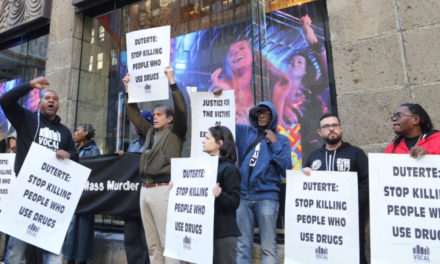
Corporate media don’t talk much about the Philippines, much less about the US responsibility there.

When the subject is the fact that women continue to be paid less than men for the same work—and women of color still less—such a lot of the conversation is not about how we can fix the problem quickly and concretely, but about whether the numbers really say what they seem to.

Year after year, we see people with disabilities, people of color, women and LGBTQ people un- and underrepresented in the rooms where ideas are generated. And, year after year, Hollywood pledges to “do better.”

How much power we will grant profit-driven corporations to determine not just what we’re exposed to, but what we’re permitted to know about it?

Corporate media’s role in the lead up to and the ongoing aftermath of the war on Iraq.
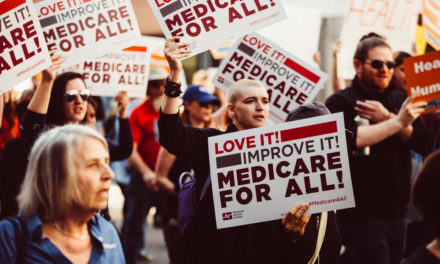
The Partnership for America’s Health Care Future (PAHCF), a coalition of drugmakers, insurance companies and private hospitals, is lobbying hard to sink the popular Medicare for All proposal. Which side are corporate media on?
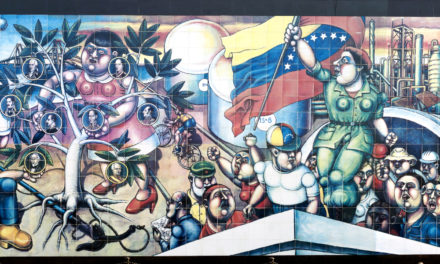
the history of coverage of Venezuela is illustrative of what it looks like when elite media work strenuously to maintain the storyline on an “official enemy.”

The last thing you’ll get from US media’s assessment of the prospect of peace on the Korean peninsula? What Koreans think.

Surprisingly, some media followed the lead of community organizers and questioned the Amazon deal—questions Amazon pulled out over rather than engage.
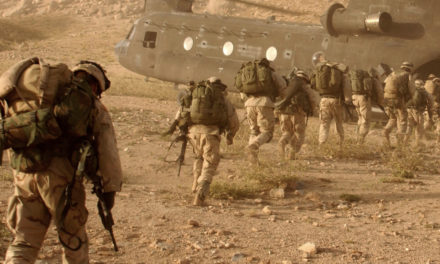
Corporate media generally judge the potential for cessation of violence by how it affects US interests; we look at Afghanistan through a different lens.

One would hope that reports that Saudi Arabia under Mohammed bin Salman is torturing women political prisoners would be sufficient to upset the narrative of a “young and brash” reformer.

Boycotts are a constitutionally protected form of speech, but Congress and some states are moving to penalize boycotts aimed at territories illegally occupied by Israel.

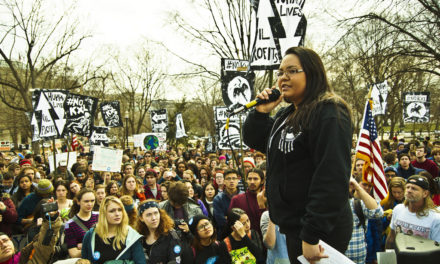
Corporate media’s lack of interest in indigenous issues, and their ahistorical, distorted view of them when they do cover them, are long overdue for change.

[mp3-jplayer tracks=”CounterSpin Kent Wong Rebecca Vallas Full Show @http://www.fair.org/audio/counterspin/CounterSpin190118.mp3″] MP3 Link This week on CounterSpin: Corporate media have been declaring organized labor moribund—sometimes abetting efforts to kill it—for many years now. But more than 30,000 public school teachers in Los Angeles, on strike with overwhelming community support, would suggest you ought not believe everything you […]

“Building a wall” at the US/Mexico border is an abstraction for many Americans–but not for people who live in the borderlands, and those who listen to those who do.

“Understanding the limits of the dialogue possible in the elite but influential press is crucial to understanding our political lives.”
Holding on to our ability to speak and to hear one another is just another part of the work we have to do.

