Shailly Gupta Barnes, Frances Fox Piven on Defining and Ending Poverty
Elite media coverage of poverty has long centered questions of measuring it at the expense of ideas about ending it.
FAIR is the national progressive media watchdog group, challenging corporate media bias, spin and misinformation.


Elite media coverage of poverty has long centered questions of measuring it at the expense of ideas about ending it.

The whole idea of the “terrorist watchlist,” created in a context of anti-Islamic bias and ignorance, is untenable, and the whole frame of Muslims vs. national security needs to be upended.
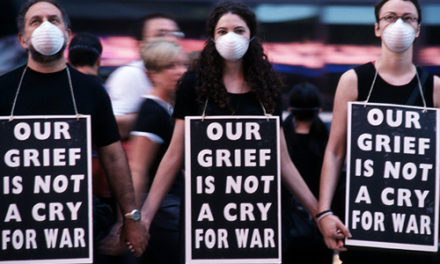
New Yorkers who were here for September 11 remember vigils, hugs from strangers and signs all over the streets reading, “Our grief is not a cry for war.” But war is what came, to the delight of many in media—first to Afghanistan, which the US invaded on October 7, 2001, and never left.

US media bring images of Yemen’s suffering, but you could think it was happening on Mars, if the dots are not connected between the bombs and the hunger and the cholera, and elected US congressmembers voting again and again to be part of it.

Election Focus 2020: The historic Native American Presidential Forum was ultimately less about the candidates than about the 5 million Natives across the country, and the possibility of their seeing government as representing rather than oppressing them.

Who, at this point, is served when corporate media consider Trump’s cruel attacks on immigrants in any context other than cruelty?

Vast majorities of Americans support serious regulation, but corporate media debate still seems to revolve around the supposed “rights” of the few, rather than the right of the many to live a life free from this scourge.

Some examples of discriminatory design are obvious—which doesn’t mean the reasons behind them are easy to fix. And then there are other questions around technology and bias—in policing, in housing, in banking—that require deeper questioning.

While federal inaction and even regression on climate is distressing, some state attorneys general are pushing forward for accountability.

Elite outlets are not the first place to look for a serious understanding of fast-moving but deeply rooted events in Puerto Rico, where massive popular protests have just led to the resignation of Gov. Ricardo Rossello.

Election Focus 2020: The upshot for many seems to be that to beat Trump, Democrats should run someone as much like him as possible, and must on no account run a “nontraditional” candidate, no matter how excited people are about them.

The US is facing humanitarian and political crises, and media will be judged on how they choose to respond.

The distance between the democracy media talk about and the system we have is wrenching — and a recent Supreme Court ruling highlights right-wing efforts to increase that gap and set it in stone.

CounterSpin talks with Kevin Kumashiro about student-loan debt cancellation as just the beginning of a conversation about the role of education in an aspiring democracy.
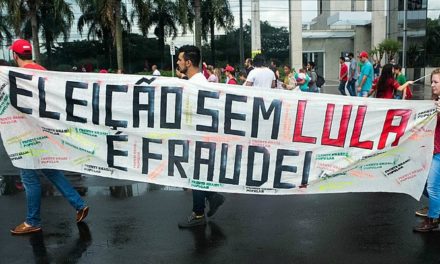
The Brazilian anti-corruption crusade, called Car Wash or Lava Jato, that put popular ex-president Lula da Silva in prison and paved the way for fascist president Jair Bolsanaro—all while being celebrated in the US corporate press—was actually, as critics contended, less interested in corruption than in keeping Lula’s Workers Party out of power.

Two deep conversations, about oil and much more.

A former US diplomat to Cuba, Wayne Smith, wrote once that Cuba “seems to have the same effect on American administrations that the full moon once had on werewolves.”

It’s true that the administration is both internally divided and intentionally ambiguous on trade policy and its impacts. But what does that mean for reporters’ responsibility?

Abortions will happen, as they always have. The question is what they’ll be like, for whom? If that’s your question about the future, it makes sense to talk with the people who are doing the work now — of support, advocacy and funding to allow women to access safe and affordable abortion care.

Cultural institutions are important sites of public conversation, but the public doesn’t have much say in who gets to lead that conversation, or the stories they tell.

