At Washington Post, Defunding Police Is a Step Too Radical
Washington Post coverage has paternalistically painted police defunding as a radical utopian fantasy that would hurt Black communities.
FAIR is the national progressive media watchdog group, challenging corporate media bias, spin and misinformation.


Washington Post coverage has paternalistically painted police defunding as a radical utopian fantasy that would hurt Black communities.

The effort to legitimize power, in this case by pretending a leading white supremacist was less central to the regime than he was, is pretty much the New York Times’ North Star.

This is a time for media to focus less on fluctuations in polling data and more on the reasons why citizens should cast their votes.

Emerging as a corporate media frame is a sloppy, mystifying confusion that refuses to distinguish the racist and sexist slurs against Harris from an authentic discussion of the trajectory of her political positions.
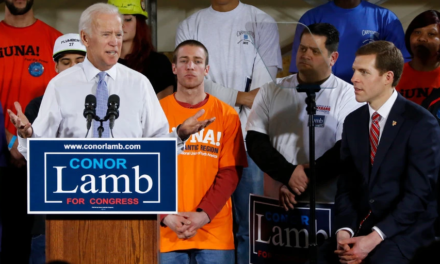
As the Democratic National Convention kicks off, election season is finally heating up again—which means it’s time for corporate media to get back to flogging their “move to the center” horse when covering Democrats.

Reuters routinely buries information that would badly damage the reputation of US allies in the Americas. Whether those allies are bureaucrats from the Organization of American States and the dictatorship they helped install in Bolivia (FAIR.org, 12/17/19), violent protesters in Nicaragua (FAIR.org, 8/23/18) or Venezuelan politicians who support lethal US sanctions on their own […]

Please contact Newsweek’s editors and demand that they retract the op-ed insinuating that Kamala Harris (like millions of other Americans) is not a US citizen.
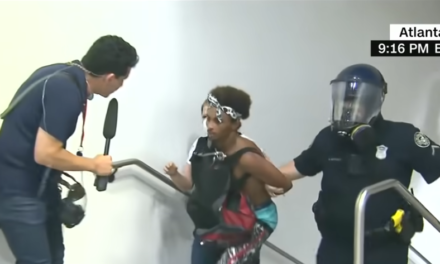
Establishment media overwhelmingly turned to columnists, pundits and government officials for interpretation of the uprisings—rather than to the activists facing tear gas on the frontlines.

Armed supporters of a far-right politician holding Confederate flags and attacking people in broad daylight in front of police, in a place like East Texas with a history of white supremacist violence, is an important event with national implications about the growing boldness and militancy of the far right.

As presumptive Democratic presidential nominee Joe Biden’s search for a running mate drags on, press coverage hasn’t failed to disappoint.

After both of the nation’s leading papers admitted that the reason for declaring the October election a fraud was itself a fraud, few have asked the critical questions about why the OAS and the United States were so quick to have Evo Morales removed from office. In fact, few media outlets altered their coverage of Bolivia at all.

Trump’s use of the power of the federal government to punish media outlets he perceives as having crossed him is part of a disturbing pattern of contempt for the First Amendment’s protection of the press.

While the most important lesson for US readers might be that a major Australian city is under near-total lockdown for infection rates that in the US can’t even get elected officials to require mask-wearing, virtually none of the media coverage made this comparison.

Much of the public discussion of the Harper’s letter misses the fact that it is the powerful, not the masses, who inordinately have the ability to “cancel” individuals for their actions, and that it is the left and those challenging power who consistently suffer the brunt of the consequences.

Alongside Brazil, Peru, Ecuador and Chile currently lead South America in total Covid deaths per capita. Unlike Brazil, however, the other pro-US regimes have largely been given a pass.

Does it make sense to describe the alleged actions of Russian and Chinese hackers as a form of “theft”? If so, what kind of “theft” is it?

Don’t waste time criticizing bad things done by good people–unless, of course, you are a bad person who only thinks they are good.

While one cannot describe China’s national security law as an act of “colonialism” or “imperialism,” since Hong Kong is part of China, FAIR conducted a study comparing media coverage of Hong Kong’s national security law and actual colonialism by the US in Puerto Rico, and by its ally Israel in Palestine.
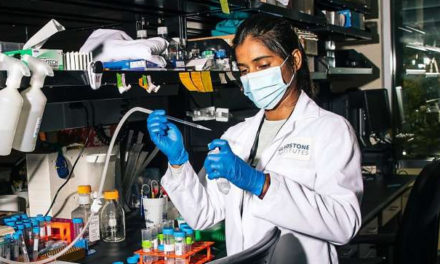
It’s not easy being a journalist covering the pandemic. Scientific knowledge on the virus moves quickly, and experts don’t always agree. But that makes it all the more important to tread carefully and not spread alarmist kaka.

Resisting the reopening of schools on the basis that the White House press secretary misspoke represents a lost opportunity to actually oppose the administration’s scandalously poor handling of the coronavirus.

