Copspeak: 7 Ways Journalists Use Police Jargon to Obscure the Truth
“Copspeak” — the jargon used by police departments — is internalized by journalists covering police violence, and it affects the public’s perception of crime and police brutality.
FAIR is the national progressive media watchdog group, challenging corporate media bias, spin and misinformation.


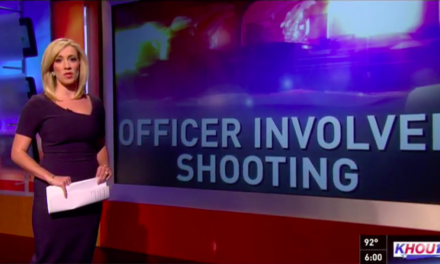
“Copspeak” — the jargon used by police departments — is internalized by journalists covering police violence, and it affects the public’s perception of crime and police brutality.

The New York Times sneered at a growing movement against Brooklyn District Attorney Kenneth Thompson, who is now being criticized for recommending—and getting—a no-jail sentence for the police officer who killed Akai Gurley in 2014.

Last week, New York City police officers arrested four well-known activists for filming them. Copwatchers—people who regularly film and document police activity—have often been targeted by cops who don’t want to be recorded, despite reminders that recording police interactions is legal in the city. While legal protections for filming police are still unclear in some […]

Did political reporters not know about Hillary Clinton’s “superpredator” quote? Or, more likely, did they know about it and decide that it wasn’t necessary to report, even though—or maybe because—the conventional wisdom was that the African-American vote would determine who the Democratic nominee for president would be?
“The goal was to really…think about creative ways to utilize the imagination, to move us from problem to solution, to move us from sort of looking at a past that also gets very stagnant to possibilities of what a present and future might look like.”
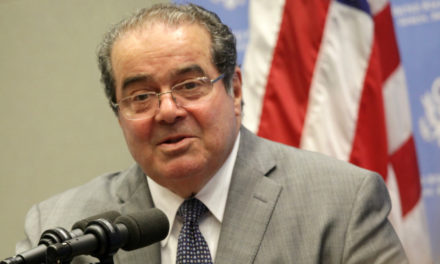
A man who called the Voting Rights Act a “perpetuation of racial entitlement,” complained of the law profession’s “anti-anti-homosexual culture” and argued that mere “actual” innocence is no reason for the state not to kill someone was eulogized as gracious and thoughtful.
In a report highlighting how little has changed since the 1968 Kerner Commission criticized the “white perspective” of media coverage of race riots, Media Matters for America’s Tyler Cherry (2/18/16) cited Adam Johnson’s debunking of media justifications for a crackdown on young protesters in Baltimore (FAIR.org, 4/29/15): Newsrooms covering Baltimore and Ferguson also disseminated misinformation […]

The police reform conversation, pushed into the national consciousness through mass protests and acts of civil disobedience by everyday people, was steered toward the theme of “community policing” by establishment figures—with the help of the media.
“This kind of violence and these kinds of verdicts long predate Stand Your Ground, because Stand Your Ground rules were already embedded in the system, in the culture, from the beginnings of the nation.”
Common Dreams’ Sarah Lazare (12/29/15) cited FAIR Blog on journalistic counts of fatal police shootings.
Common Dreams (12/29/15) reposted Jim Naureckas’ piece (12/29/15) on the Washington Post’s fatal police shooting tally.
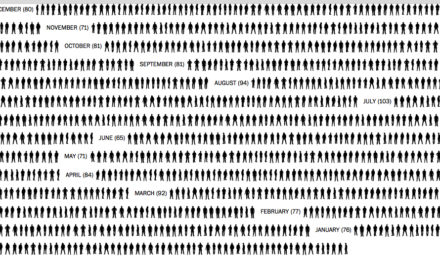
The Washington Post’s tally of fatal police shootings in 2015 is a journalistic accomplishment. But it’s hard to escape the feeling that the Post framed its report to minimize its remarkable findings.
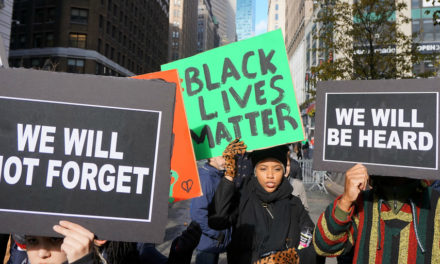
From community rallies around the country to the presidential election, the Black Lives Matter movement has changed the conversation. This week’s CounterSpin revisits a few of our conversations on corporate media’s role in issues of racial justice.
“We have in this society, around issues of race, an extraordinary ability to know things and not know things at the same time…. I think journalists have a critical role in sort of disabling…those strategies of denial.”
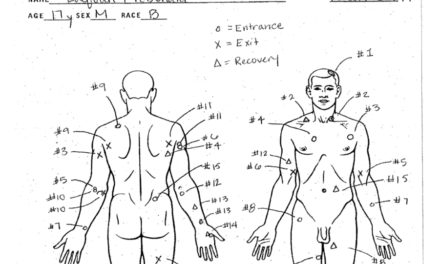
The video that belied the official story of the police killing of 17-year-old Laquan McDonald, along with an autopsy that also showed police’s initial story to be false, eventually came to light through the work of journalists—but not mainstream journalists;
African-American Deaths Literally Off the Chart; How Many Protesters Gunned Down? You Do the Math; From Hoax to Fox to Trump to NBC; Sanders: ‘Let Me Say Something About Media’–Media: ‘No’; Don’t Know Much About Recent History

Daniel Holtzclaw evidently selected his victims because he believed no one would care about them. Media shouldn’t prove him right.

“The moment this becomes a law enforcement issue, that becomes the moment where the student’s future is placed at risk. And that means our institutions are underserving students.”
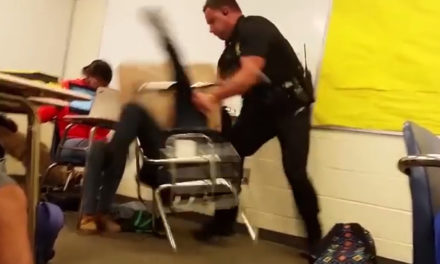
Many people were outraged by video evidence of a police officer violently assaulting a young black woman in her classroom—an incident that highlights the marginalization of black girls and women in conversations about state violence.
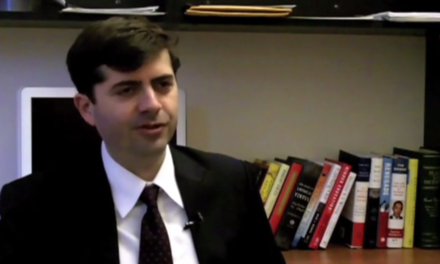
“There is a very hard-wired tendency among Americans in general, and liberals in particular, to think that even when things are going wrong, that the law is good and fundamentally on our side. That the law is synonymous with justice.”

