Shireen Al-Adeimi on Yemen Crisis, Erin Shields on Net Neutrality Repeal
Yemen is “a complicated story,” the Washington Post told readers. We look this week at what’s being left out of that story.
FAIR is the national progressive media watchdog group, challenging corporate media bias, spin and misinformation.


Yemen is “a complicated story,” the Washington Post told readers. We look this week at what’s being left out of that story.

Climate disruption—and corporate media’s compromised and inadequate response: a special archival CounterSpin show.

While we’re talking about the dangers of Trump having his hand on the nuclear button, we should also be asking why we maintain a world-ending arsenal at all.

The millions of leaked documents dubbed the Paradise Papers bring some sunlight to an arena where secrecy is the point: the world of “offshore financial centers,” where a melange of the world’s wealthiest stash money, bilk governments and generally betray any notion of a social compact.

Trump’s call for a “war” on opioid use and a “just say no” media campaign, sound like very old—and very discredited—ideas indeed. What’s going on, and what’s a better way forward?

We may hear editorial calls for better training, or more data, or sometimes even convictions of individual officers. But somehow we never see the problem of policing whole, so the deeper reckoning necessary for real change is forestalled.

The FBI has designated “black identity extremists” as a movement constituting a violent threat to public safety, and warranting the surveillance and scrutiny of the country’s “counterterrorism” forces.

A human rights nightmare continues to unfold in Myanmar, as hundreds of thousands of Rohingya flee what a new UN report calls “coordinated and systemic” attacks by security forces.

The Supreme Court case of Gill v. Whitford, deciding whether the way Wisconsin Republicans redrew voting districts in 2011 amounted to “an aggressive partisan gerrymander,” touches on nothing less than whether the US can ever become the democracy so many hope for.
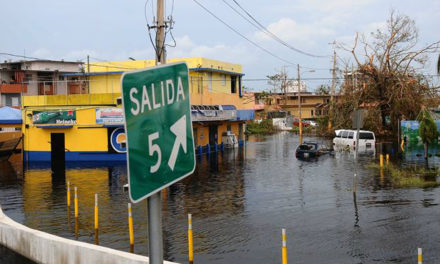
Pointing out that Trump is behaving boorishly is not the same as digging into questions of displacement, privatization and what Naomi Klein has labeled “disaster capitalism”–or offering an alternative vision for Puerto Rico’s recovery.

If we don’t intervene to turn the racial wealth gap around, we are driving the country toward what a new report describes in no uncertain times as a “racial and economic apartheid state.”

How should reporters cover White House maneuvers to depict Iran’s compliance as non-compliance, and make clear what’s at stake?

While plenty of coverage is skeptical of Trump, are media really understanding what the DACA program does—and doesn’t—mean for recipients?
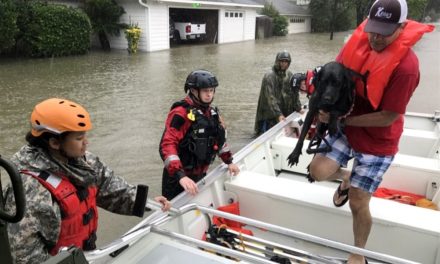
How will reporters covering Harvey treat climate change, as well as the role of poverty, racism and the gutting of infrastructure budgets–the things you explore when you want not just to report a disaster, but go some ways toward preventing future ones?

In all the chatter about Afghanistan, the idea that there are other ways for a country to show strength besides killing people, or threatening to, is the worldview that dare not speak its name.

The horror of the “Unite the Right” rally in Charlottesville—what led to it, and what could lead away from it?

Corporate media are wrong in their evident belief—if coverage is guide—that the fight over the Dakota Access pipeline is over. We have an update on a struggle that’s very much alive.

Prisons are shielded from public view on purpose, and journalists have to work hard for access when it’s possible at all. The result is a media landscape that pairs relative silence about prison life with an absurdly outsized focus on crime
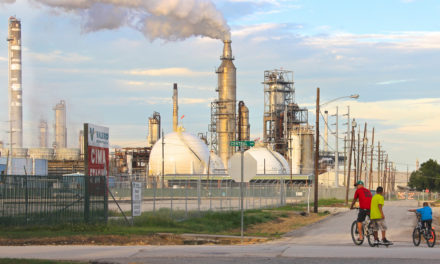
For years, the existence of environmental racism, and the idea that it needs rectifying, had at least nominal government support; but now all bets are off.

What have decades of unending war in Afghanistan actually done toward the ostensible goal of liberating Afghan women? Plus: The weaponization of space and the constraints on the healthcare conversation.

