Mizue Aizeki on Criminalizing Immigrants
Resisting the viewing of immigration policy through a lens of criminality will be key in moving toward a humane vision of immigration.
FAIR is the national progressive media watchdog group, challenging corporate media bias, spin and misinformation.


Resisting the viewing of immigration policy through a lens of criminality will be key in moving toward a humane vision of immigration.
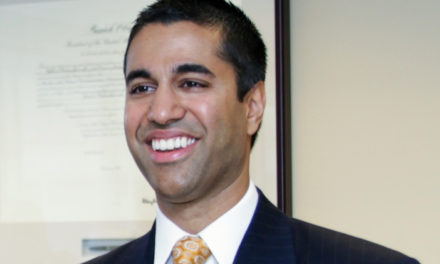
What’s ahead for the public interest under Ajit Pai, Trump’s choice for chair of the FCC? CounterSpin talks with Jessica Gonzalez, deputy director and senior counsel at the group Free Press.

Now that Betsy DeVos is confirmed as Education secretary, media need to disrupt the set of myths that carried her through, despite an evident lack of experience or expertise: Myths to do with “school choice” and “accountability,” which corporate media rarely interrogate thoroughly, or contrast with different visions of education.

Some media accounts are describing the first raid on Trump’s watch as “botched,” but that’s not the same as questioning it, much less putting it in a broader context of what’s happening in Yemen and what the US is doing there.

Every day of the Trump administration brings new reasons to protest. But the mass arrest of hundreds of people protesting the inauguration, along with legal observers and journalists, tells us that the right to speak up still needs protection.
Media’s traditional misremembering of Martin Luther King distorts his ideas and priorities, and rewrites the press’s own role in history; it also projects a distorted vision of what protest means and how social change happens—a clear view of which is much in demand right now.

The question for the press corps is whether they will keep both feet in reality, or allow the perceived requirement to “include” the Trump camp’s spin “redefine” previous understandings beyond recognition
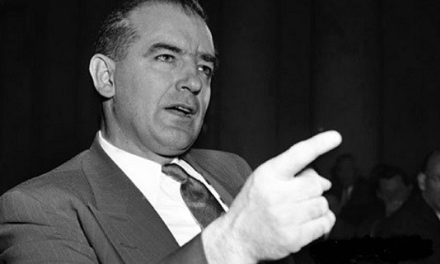
Pretending that fearmongering and watchlists and looking the other way are all newly minted will not serve us. In fact, we can look to history to help us understand what’s happening, and what we can do to resist it.

This year’s “Best Of” includes Heidi Beirich on white supremacy, Chris Savage on Flint’s toxic water, Alvaro Bedoya on discriminatory policing, Brendan DeMelle on Exxon’s climate secrets, Josmar Trujillo on militarized “gang” raids, Shahid Buttar on civilian copwatching, Joe Macare on Brexit, Phyllis Bennis on Trump and the world, and Kelly Hayes on Dakota Access.

A Trump presidency requires vigilance on many fronts, but the human rights of half the population should be high on the list. But for corporate media, abortion access is primarily a “hot topic”—rather than a material fact of life for women and families.
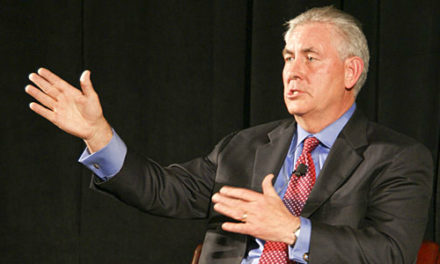
A strong contender for most worrisome Trump appointment is making Rex Tillerson, longtime CEO of Exxon Mobil, secretary of State. Plus: Donald Trump looks ready to restart a retrograde, punitive War on Drugs that the country looked to be beginning to shrug off.

What if instead of getting lost in Trump’s machinations, media looked at what deals like the one that actually happened with Carrier actually wind up meaning for workers and local economies?

While it’s implied that our only choice is between hagiography and hatred, there is actual history that provides context for understanding the role in world events of Fidel Castro and the Cuban revolution, which involved other people besides him.

Social justice advocates are getting together to share strategies for protecting vulnerable communities and resisting the predations on our civil rights.

Donald Trump spent his entire campaign demonizing immigrants as dangerous, job-stealing criminals. While denouncing that, media sometimes dismissed it as mainly campaign rhetoric. Will they take the story seriously enough as a Trump administration tries to turn those ideas into policy?

What now for electoral reform and congressional diversity? For the environment? For Muslim-Americans and others made vulnerable by the so-called “War on Terror” in its domestic and international fronts?
Corporate Media’s main method of undermining the significance of what’s happening in North Dakota has been to simply ignore it. If that maneuver is failing, it’s due to independent media working to get the stories from Standing Rock out, despite on-the-ground intimidation and big media’s studied disinterest.
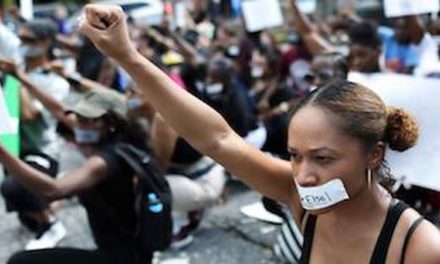
Corporate journalists rely on the First Amendment, but it’s increasingly unclear if the First Amendment can rely on them. The relative lack of interest in the impact of spying on activists—a practice with a long and disturbing history given new power by technology—is the latest example.

Donald Trump is now claiming that if he doesn’t win, the thing must be rigged. It’s concerning that his supporters may believe that, but also concerning that others might imagine that the fact that Trump mentions the idea of voting improprieties must mean there is no such thing.

The standoff over the Dakota Access pipeline is not a “harbinger” of the fight to make “Keep It in the Ground” more than a slogan; harbingers are about the future, and climate disruption and the people on its frontlines are stories of today. So who’s telling that story?

